Not Your Average Death Blog

What Seventh-Grade Frogs Taught Me About Entrepreneurship
Turns out, entrepreneurship isn’t always about a big, flashy idea. Sometimes it starts with a pile of fabric scraps and a hunch that you can make something useful (and maybe even lovable). Sometimes it grows into a podcast, a community, and a mission that feels like the work you were always meant to do.

Do You Need to Update Your Will When You Have More Kids?
Leslie signed her Will five years ago when she had one child. Then she had twins. Now she’s got three kids, and she’s wondering: does her Will still work, or does she need to change it?
It’s a question I get all the time. And the answer is… it depends.
Good estate planning attorneys use solid forms that account for future kids. For example, my own Will doesn’t just name my children; it includes any child “born or adopted after the date of this Will.” That way, if my family grows, the Will automatically grows with it.

Everyone Belongs
There’s no shortage of confusing and harmful narratives about disability in the world. Too often, families are left to sort through myths and misinformation on their own. That’s why it matters so much to keep centering truth, dignity, and respect.
Last week, I had the joy of babysitting my sweet niece while her mom (my sister-in-law) visited her son’s kindergarten class to read a story and lead an art activity about inclusion. Watching her show up for those kids reminded me that legacy takes many forms. Sometimes it looks like policy change, sometimes like advocacy, and sometimes like reading aloud in a circle of five-year-olds.

The Death Readiness Podcast Hits the Charts!
The Death Readiness Podcast is now the top recommended podcast for “estate planning for women” on Apple Podcasts!
This milestone isn’t just a win for me. It’s a signal that more women are seeking clarity, confidence, and conversations around legacy, caregiving, and financial empowerment. The fact that these topics are rising to the top means the taboo is starting to break.

Ceremony Matters: A Listener’s Story of Saying Goodbye
Every so often, I hear from listeners who remind me exactly why I do this work. Last month, one person reached out with a story that is both heartbreaking and beautiful, an example of how knowledge, community, and conversation can transform the way we navigate loss.
At its core, this story isn’t just about a beloved pet. It’s about the power of ritual. When we create ceremony, whether formal or improvised, we give ourselves and those around us space to grieve, to remember, and to celebrate meaningfully.
Without ceremony, loss can feel flat, unfinished, or even silenced. But with it, grief is allowed to breathe. Even something as simple as painting rocks, tossing flowers, or telling stories becomes a way of saying: this life mattered, this love mattered.

How Small Gaps in Your Will Become Big Problems
Twelve years after my mom died, her jewelry still lives in my dad’s house. My sister and I each picked out the pieces we wanted, and I even used one of her rings as my engagement ring.
The rest was tucked away in her dresser drawer until my daughter, April, started exploring them this summer. April never met my mom, but when she wore her grandmother’s earrings to homecoming last weekend, it was like she’d found a way to connect with her.
Jewelry can be a bridge between generations. But in estate planning, it can also be the opposite: the spark that lights a family feud.

6 Steps to Finding the Right Estate Planning Attorney for Your Situation
Finding the right estate planning attorney can feel overwhelming and choosing the wrong one can cost you time, money, and peace of mind. In today’s Tuesday Triage, Jill walks you through six practical steps to help you identify the right fit for your needs, avoid common pitfalls, and trust your instincts throughout the process. Whether your estate is simple or more complex, these tips will give you clarity and confidence in choosing the attorney who can best serve you and your family. Here’s a summary of the tips Jill offered on today’s podcast.

From Problem-Aware to Solution-Aware: Why Families Get Stuck in Estate Planning
Most of us know we should have an estate plan.
But knowing there’s a problem doesn’t always mean knowing how to solve it.
That difference is the gap between being problem-aware and solution-aware, and it explains so much about why families put off planning, even when the need is obvious.

When Grief Meets Bureaucracy: Why Families Need Advocates During Estate Administration
Losing a loved one is difficult enough, but trying to navigate the complex maze of bureaucracy involved in managing and administering an estate, while deep in grief, can make things so much harder.
Why Medical Aid in Dying and Assisted Suicide Are Not the Same Thing
Today, Jill unpacks what medical aid in dying really means, how it differs from assisted suicide, and what the law says for families navigating these difficult conversations. With legal insights and examples from California’s End of Life Option Act, this Tuesday Triage episode shines a light on a topic often tucked away in silence.

Why an Innocent Woman Spent 27 Years in Prison
Imagine spending nearly three decades in prison for a crime you didn’t commit. That was the reality for Joyce Watkins, who in 1989 was wrongfully convicted of the rape and murder of her four-year-old great-niece. Joyce and her longtime partner, Charlie Dunn, never stopped insisting they were innocent. Yet flawed medical testimony, prosecutorial missteps, and systemic biases put them behind bars for life.
Charlie tragically died in prison after 27 years. Joyce was paroled in 2015 but forced to live under the stigma and restrictions of being labeled a registered sex offender. Still, she never gave up her fight to clear her name.
In this episode of The Death Readiness Podcast, I talk with Jason Gichner, Executive Director of the Tennessee Innocence Project, about Joyce’s story, the flaws in the justice system, and what her case teaches us about resilience, justice, and protecting your voice.
Why Your Business Needs an Estate Plan, Too
What would happen to your business if you didn’t come back after a long weekend? Would your clients get what they’ve paid for? Would invoices get paid? Would anyone even know where to start?
This week’s Tuesday Triage question came from Julie in Virginia, who runs an online business and wanted to know if her business needs an estate plan. The answer is simple: yes.
Because planning isn’t just about what happens if something goes wrong; it’s about agency. It’s about building a business that can survive a sale, a sabbatical, or the unexpected.

How Taylor Swift’s Path to Stardom Began in Probate Court
Taylor Swift is all over the headlines right now with her recent engagement, but did you know her path to stardom began in probate court??
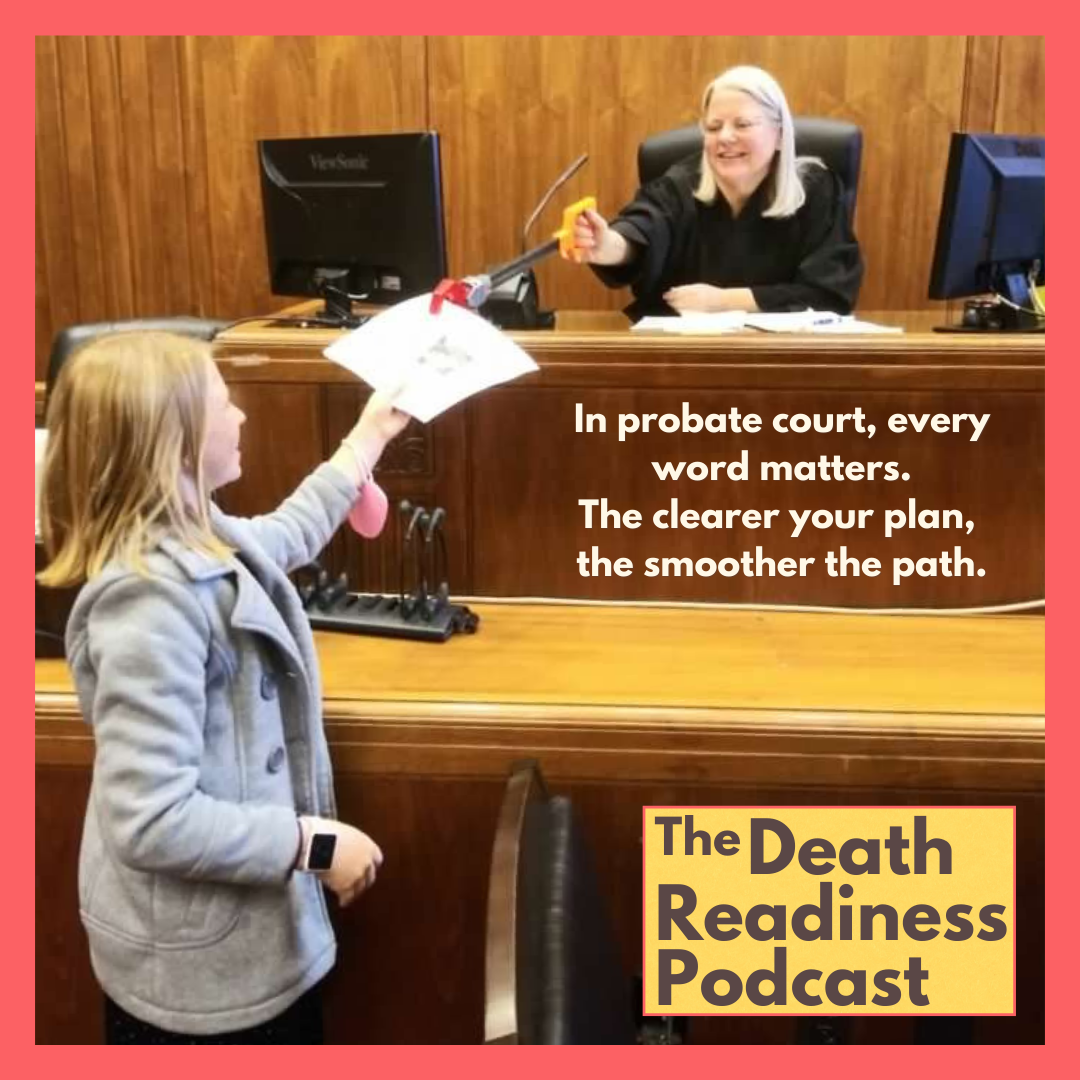
What Really Happens to DIY Wills in Probate Court
When most people say “I just want to avoid probate,” what they really mean is: I want things to be clear and simple. Today I sat down with Probate Court Judge Andra Hedrick from Davidson County, Tennessee, to demystify what probate actually is, why clarity matters, and how well‑intended “simple” Wills (handwritten notes, internet forms, AI drafts) can create complicated outcomes later on.
A Will isn’t a magic key the moment you sign it. It becomes legally effective only IF the court admits it to probate, confirming the basic requirements (like the right signatures, witnesses, and formalities) have been met.
Why Banks Reject Powers of Attorney for Trust Accounts
Have you ever been surprised when a bank accepts a power of attorney for one account but rejects it for another? That’s exactly what happened to Lindsey from Tennessee. She could use her dad’s power of attorney for his checking and savings accounts, but when she tried to use it to access his trust accounts, the bank said no — and didn’t explain why.
Why Naming the Caregiver Adult Child (instead of your Spouse with Dementia) as Beneficiary of your IRA Can Backfire
It’s a situation many families face: a healthy parent wants to make sure their spouse with dementia is cared for if the healthy parent dies first. The instinct might be to name the caregiving adult child as the beneficiary of the IRA — trusting them to use the funds for the parent who needs care. But what seems simple can actually put both the money and the spouse with dementia at risk.
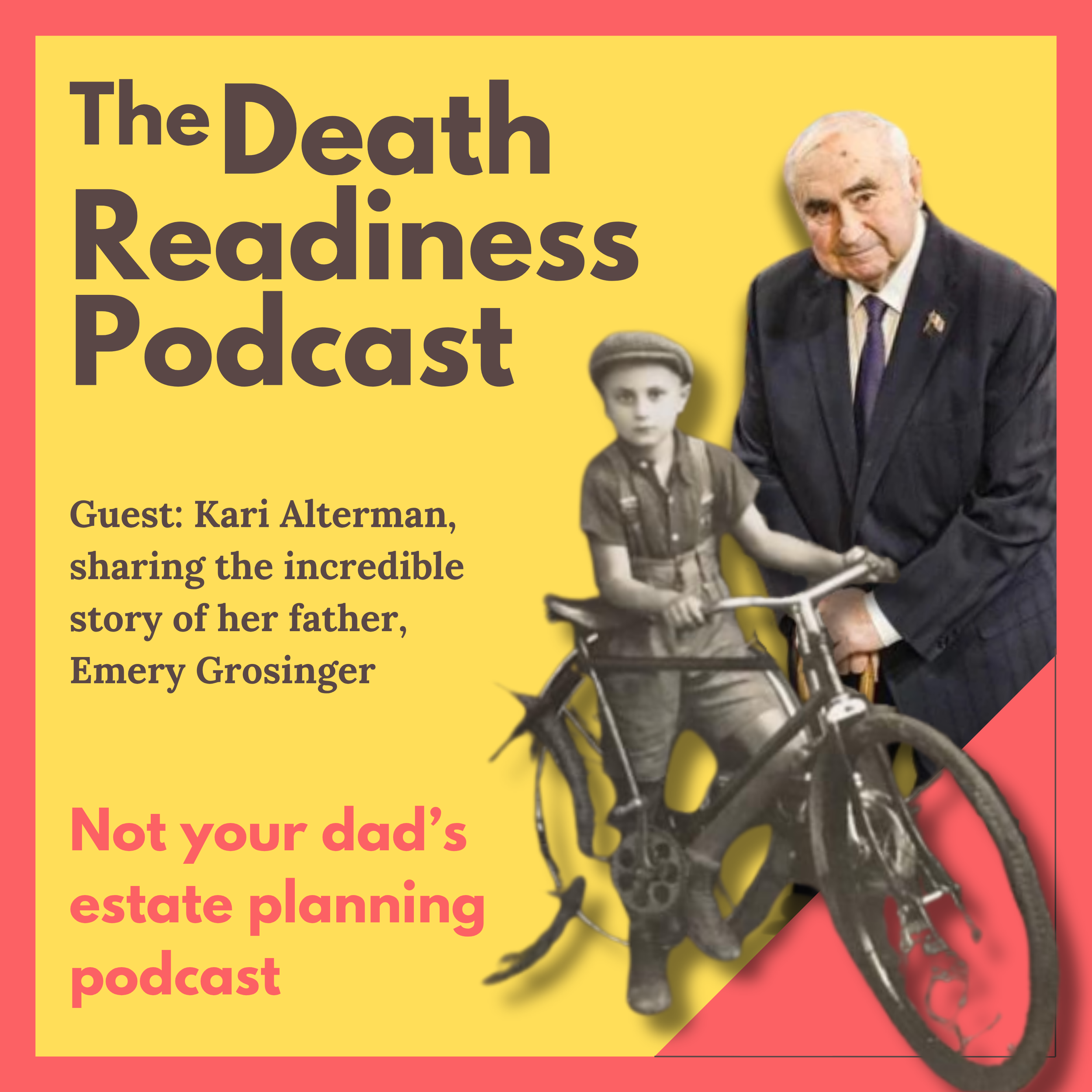
How One Boy Survived Auschwitz and Found His Dog
Most kids spend their 12th birthday with playing with friends and eating cake.
Emery Grosinger spent his in Auschwitz.
Over the next 12 months, Emery endured a Nazi roundup, forced labor, the loss of both parents and a death march, all before his 13th birthday on May 8, 1945, now known as Victory in Europe Day.
In this episode, I talk with Kari Alterman, Emery’s daughter, about what it means to rebuild from nothing.

What Happens When a Pregnant Woman Is Declared Brain Dead?
Over the weekend, my daughter and I volunteered at a local event. She earned enough tickets to “buy” an old-school etch-a-sketch—the kind with the knobs you twist to draw. The next morning, I saw it beside her bed, and she had written: “Word of the day: kind.”
Something had happened the day before that hurt her feelings. And I think that was her way of reminding herself to respond with grace.
This week’s episode is about someone else’s daughter. And it’s about the laws that can take away our ability to make decisions, even when we think we’ve made them.

What Every Parent Needs to Know When Their Child Turns 18
When your child legally becomes an adult at age 18, a lot changes.
You can still pay their tuition, keep them on your health insurance, pack their favorite snacks for the dorm. But in a medical emergency, you don’t have a right to their healthcare information.
Sadly, most parents don’t realize this until there’s an unexpected crisis.
Today on The Death Readiness Podcast, I share the stories of two young women whose families fought landmark legal battles because neither had signed an advance healthcare directive before tragedy struck. Their stories made national headlines, and they also left a legacy we can learn from.
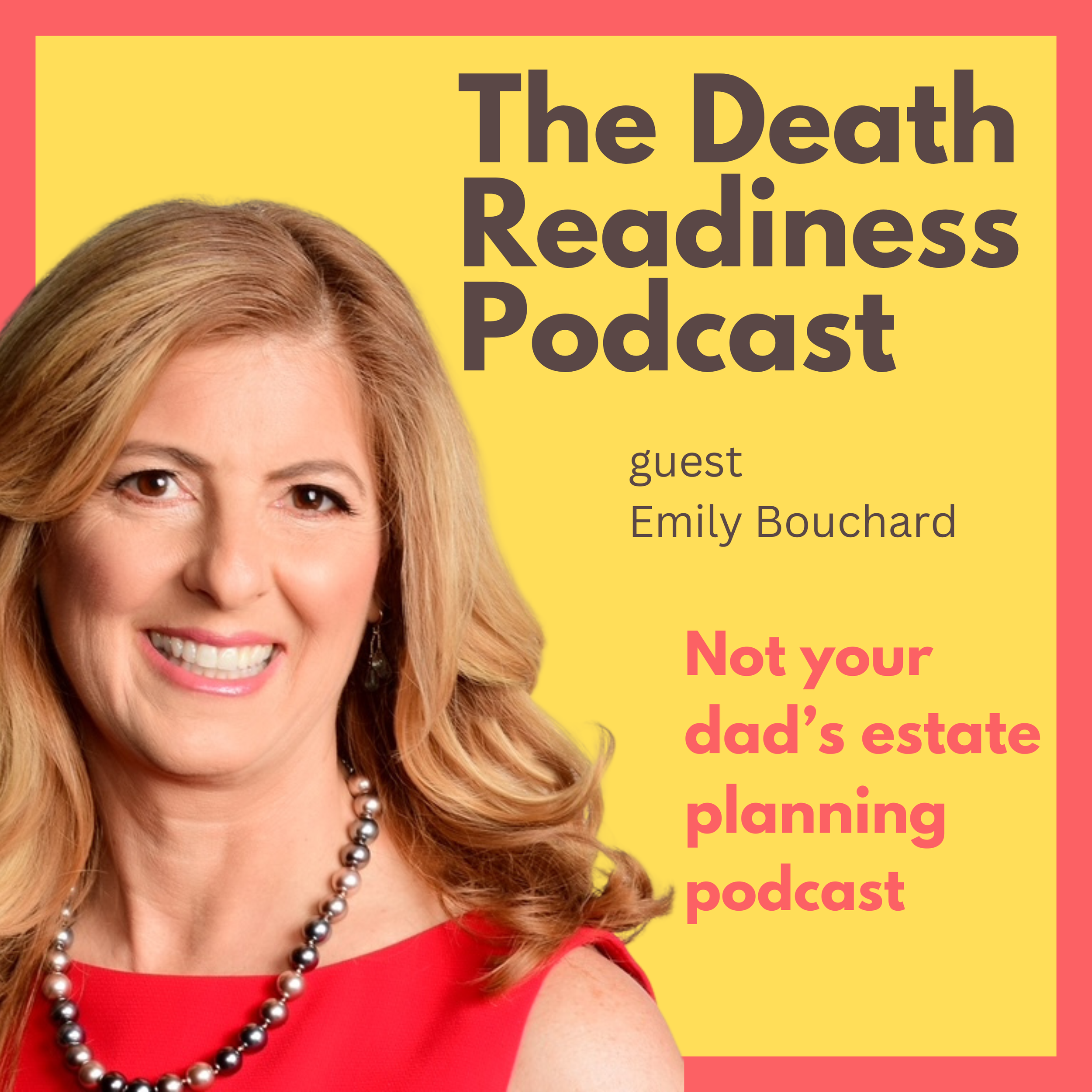
Why Prenups Aren’t Just for the Rich (or the Divorcing)
Most people associate prenuptial agreements with cynicism, mistrust, or worst-case scenarios. But what if we’ve been looking at them all wrong?
In this week’s episode of The Death Readiness Podcast, we’re flipping the script. I sit down with family dynamics coach, Emily Bouchard, to talk about how hard, honest, ongoing conversations about money can actually strengthen relationships.