Not Your Average Death Blog
Behind the Scenes of an Estate Planning Podcast
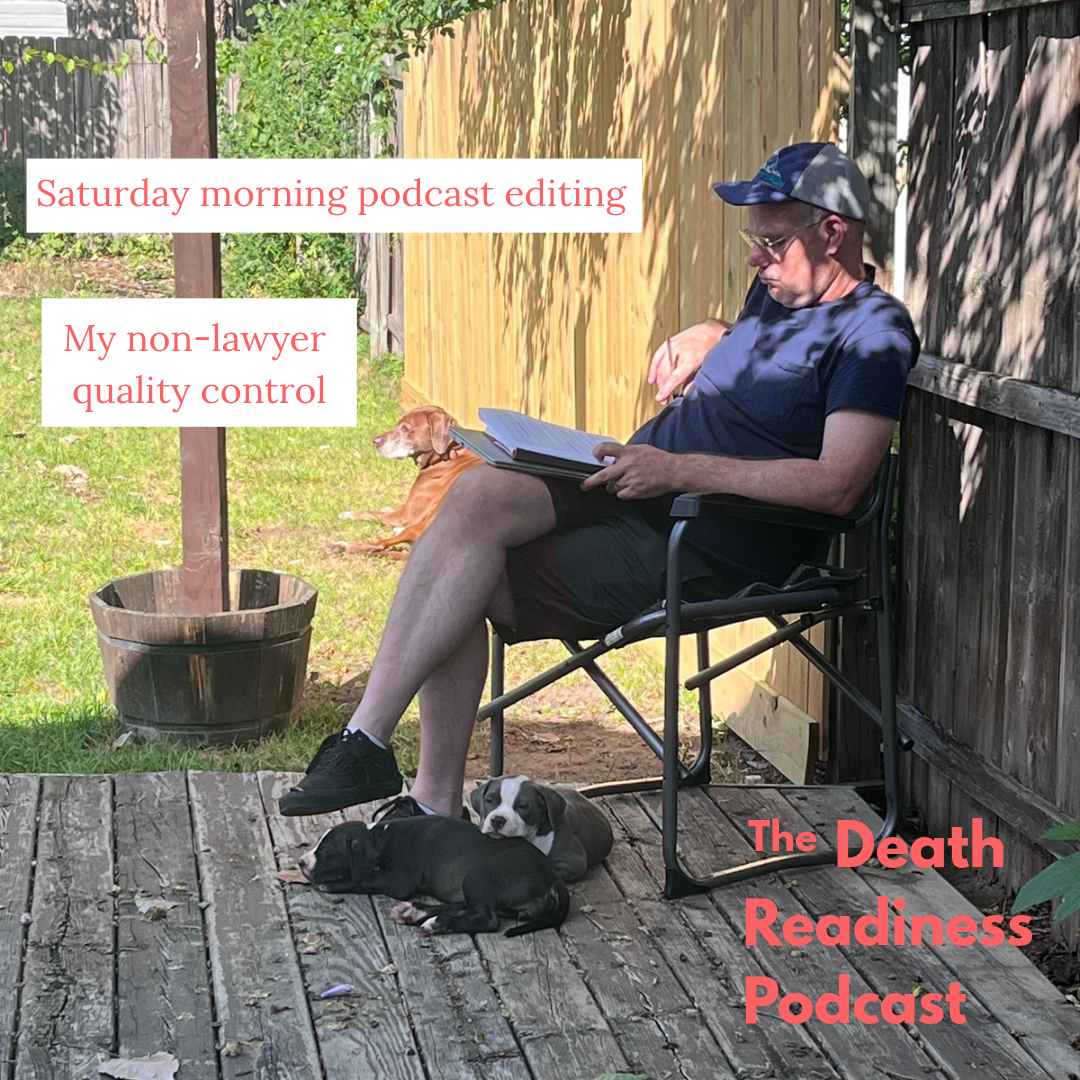
This is how we spend Saturday mornings over here. My husband, Jeremy, is a software engineer, which makes him a very useful editor for an estate planning podcast. Hear me out.
Before an episode of The Death Readiness Podcast makes its way out into the world, Jeremy listens to it from the perspective of someone who doesn’t spend his days thinking about wills, trusts, probate, beneficiary designations, powers of attorney, and all the other things estate planning attorneys tend to talk about as though everyone else knows exactly what we mean.
If something doesn’t make sense, he tells me. If I’ve used a legal term without adequately explaining it, he tells me. And if I’ve assumed everyone knows something that really only estate planning attorneys know, he tells me that, too.
My Five-Year Plan Has an Unreasonable Number of Dogs
Labor Day seems like an appropriate time to articulate my five-year plan. It’s basically a law firm, a microphone, a lake house, and an unreasonable number of dogs. So far, we’re right on schedule.
A few years ago, I’m not sure I would have predicted that my work life would look like this. I’m building my own law practice. I talk about death into a microphone every week. I spend my summers working from my dad’s house in the Adirondacks. And, with surprising frequency, I have to stop and count the dogs in my house to remember exactly how many currently live here. This was not the career plan I mapped out when I went to law school.
Estate Planning Is Really About the People You Love
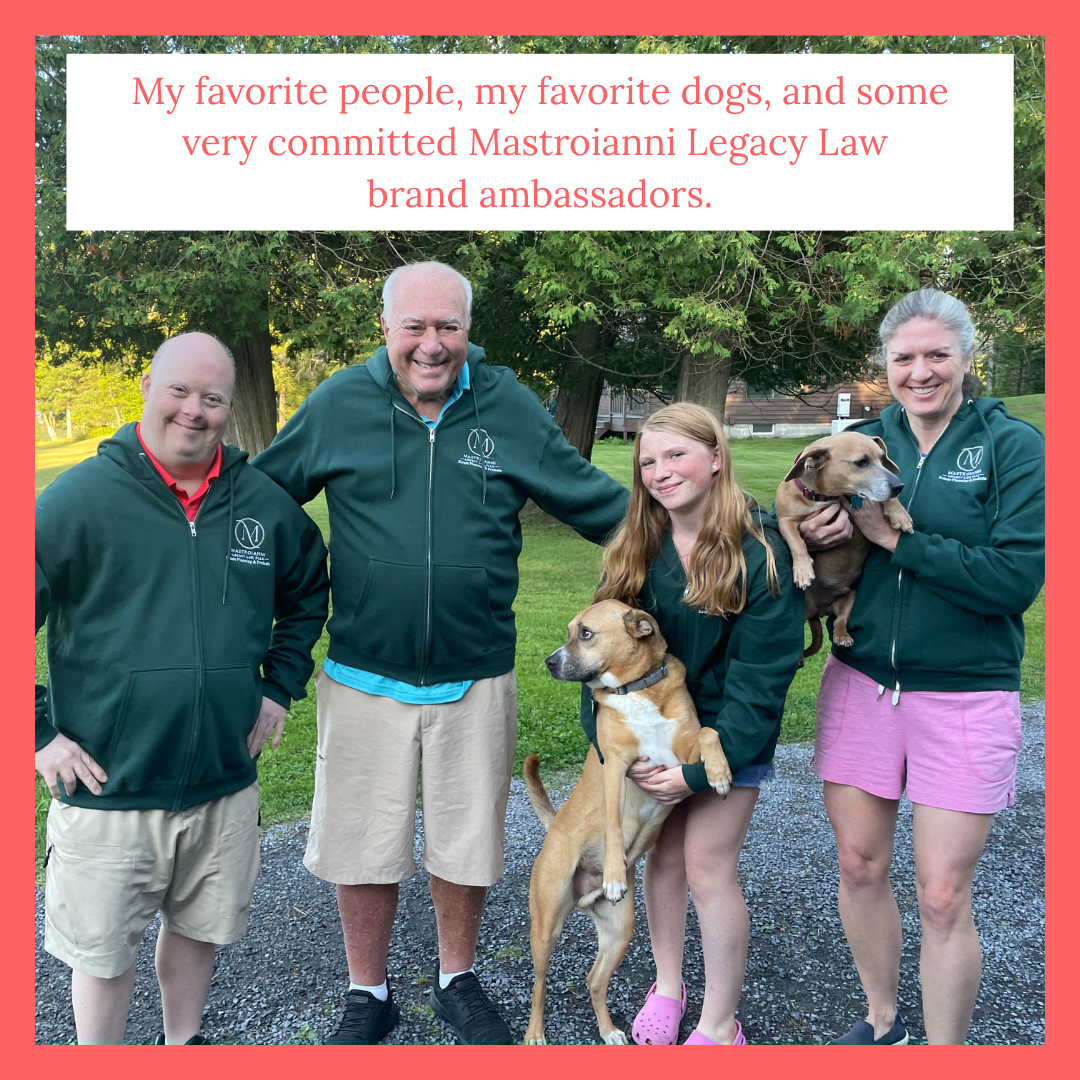
This is what happens when you start your own law firm and your family is willing to humor you: matching sweatshirts. The photo includes my dad, my brother, my daughter, two of my dogs, and a whole lot of Mastroianni Legacy Law representation. I love the picture because these are some of my favorite people (and favorite dogs), but there’s another reason it means something to me. This is my “why.”
Estate planning involves Wills, trusts, powers of attorney, beneficiary designations, probate, and plenty of legal documents. But estate planning is really about people. It’s about the people we love and worry about, the people we want to make things easier for, and the people who may someday have to figure things out when we’re no longer there to help. That’s true when I’m working with clients, and it’s true in my own family.
What We Really Inherit From Our Parents
Every summer, I come back to my dad’s house in the Adirondacks. It’s a place that has been part of my life since I was eleven years old. But these days, it serves another purpose, too. For the summer season, it becomes the Adirondack branch of my law practice.
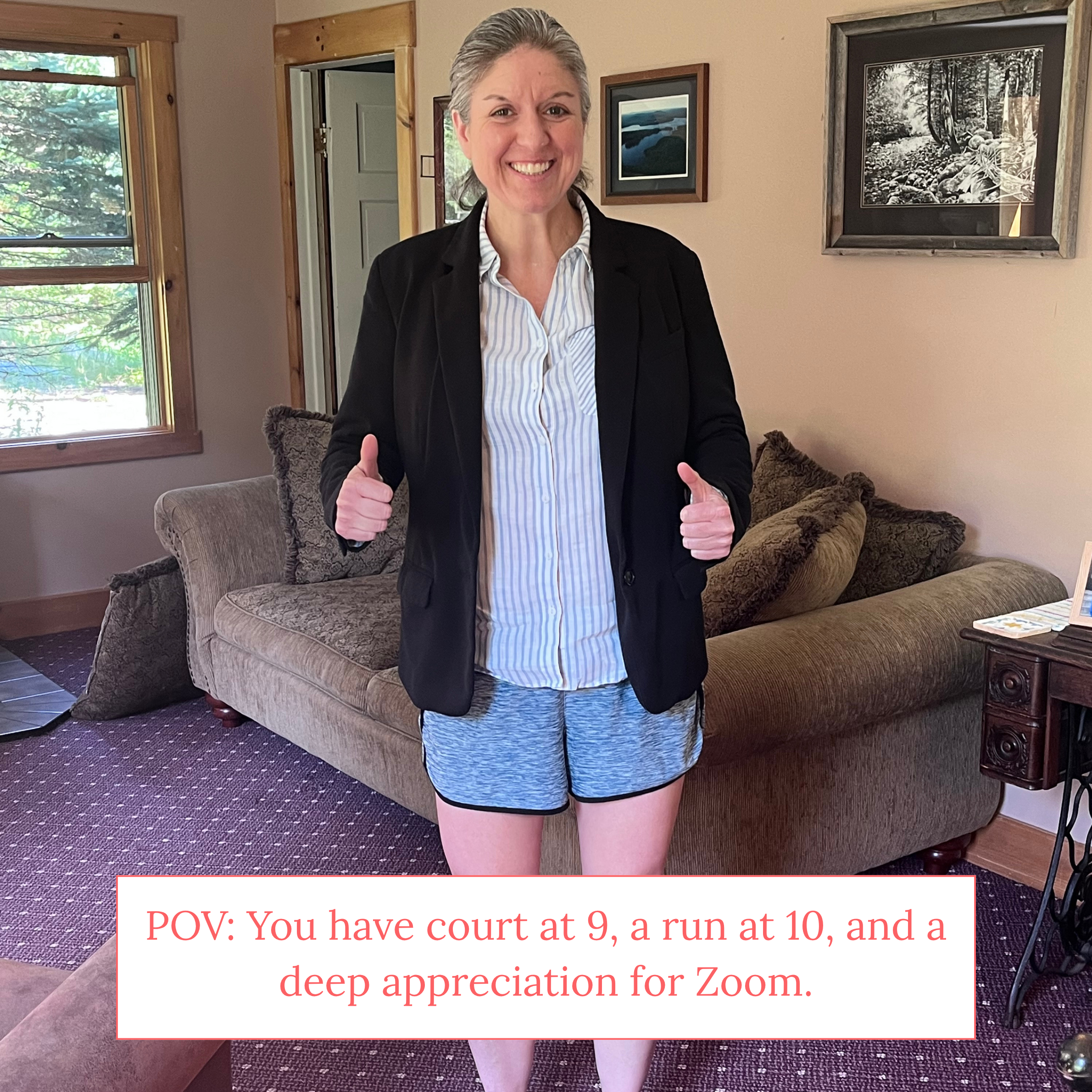
From here, I meet with clients over Zoom, draft Wills and trusts, record podcast episodes, attend court hearings, and do all of the other things that come with running a law practice. And sometimes I think about just how different this version of me is from the version of me in this photo, taken fourteen years ago at my law school graduation. My legal career was just beginning, and I had absolutely no idea where it would eventually take me.
Estate Planning Doesn't Require a Giant Leap
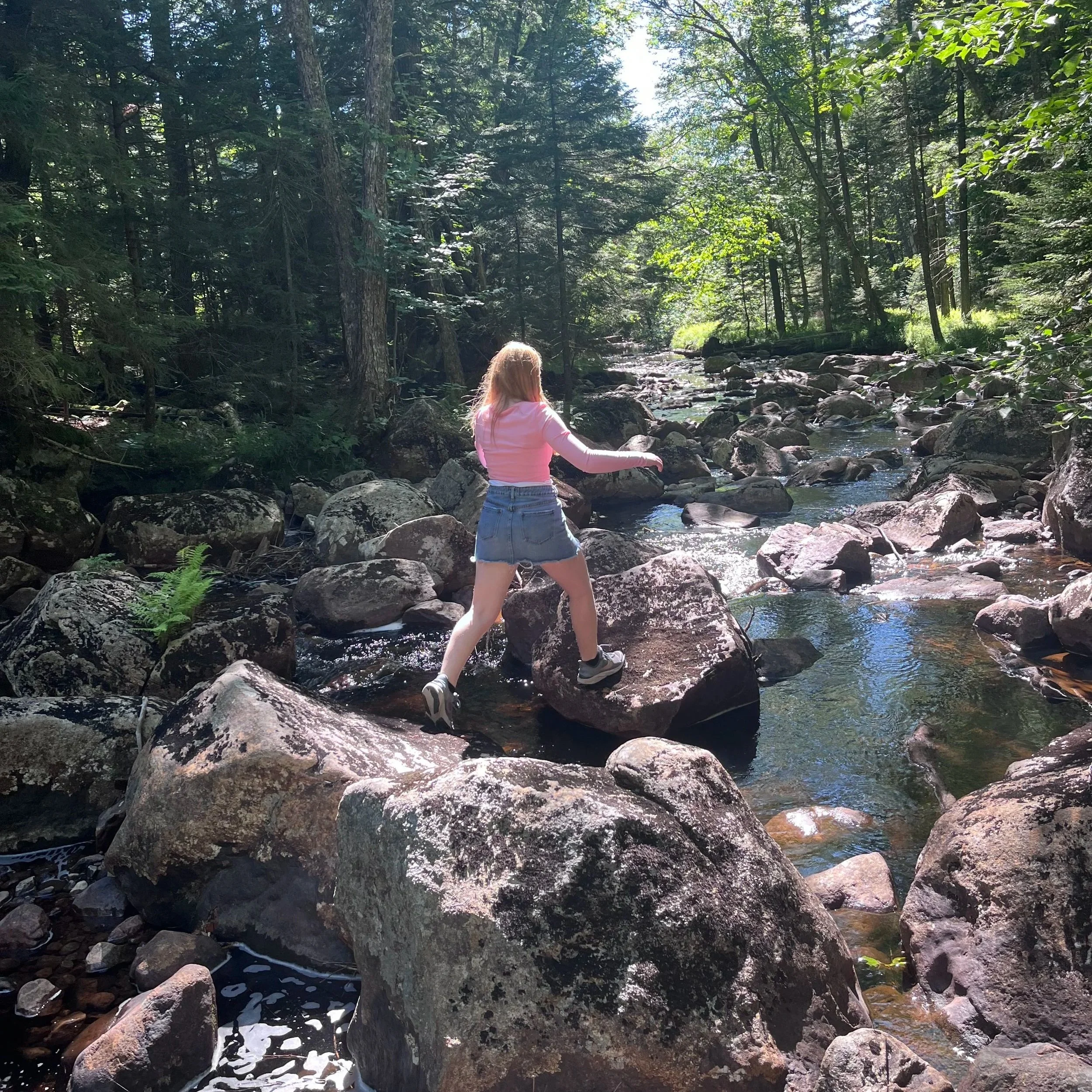
A few days ago, I was watching my daughter make her way across a creek by stepping from one rock to the next. And what struck me was how she was doing it. She wasn't looking ten rocks ahead or trying to map out the entire crossing before taking the first step. She was simply looking for secure footing for the next one.
I realized that's exactly where so many people get stuck with estate planning. They imagine they'll have to make every decision at once. They'll need to understand trusts, taxes, beneficiary designations, powers of attorney, guardians for their children, business succession, family dynamics, and every “what if” scenario before they can even begin. No wonder so many people put it off.
Just Because You Love Someone Doesn't Mean They're the Right Person for the Job
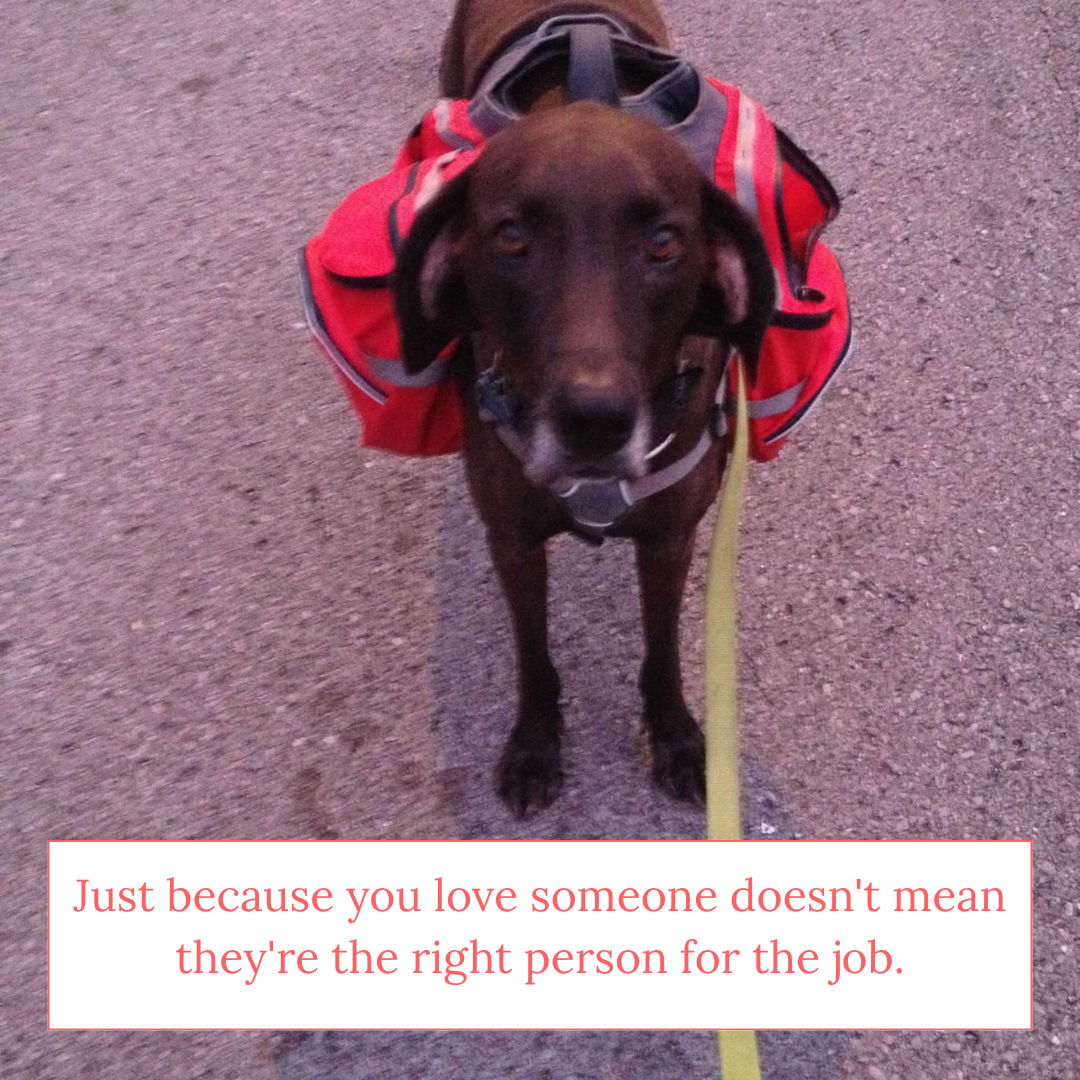
When I was first practicing law in Nashville, I lived about eight miles from my office. Every Friday, I ran to work with my dog, Oliver. One week, I had what I thought was a brilliant idea. Instead of carrying my work clothes in my backpack, I'd buy Oliver his own backpack so he could carry them.
I buckled it on and Oliver refused to move. He didn't take a single step. He just stood in the driveway looking at me as if to say, Absolutely not. So, I unpacked his backpack, stuffed everything into mine, and we headed to work the way we always had.
Looking back, I realize I made a mistake. I never stopped to ask whether the backpack was something Oliver could realistically carry. I simply decided it was his job.
Why I Don't Just Email Your Estate Planning Documents and Wish You Good Luck
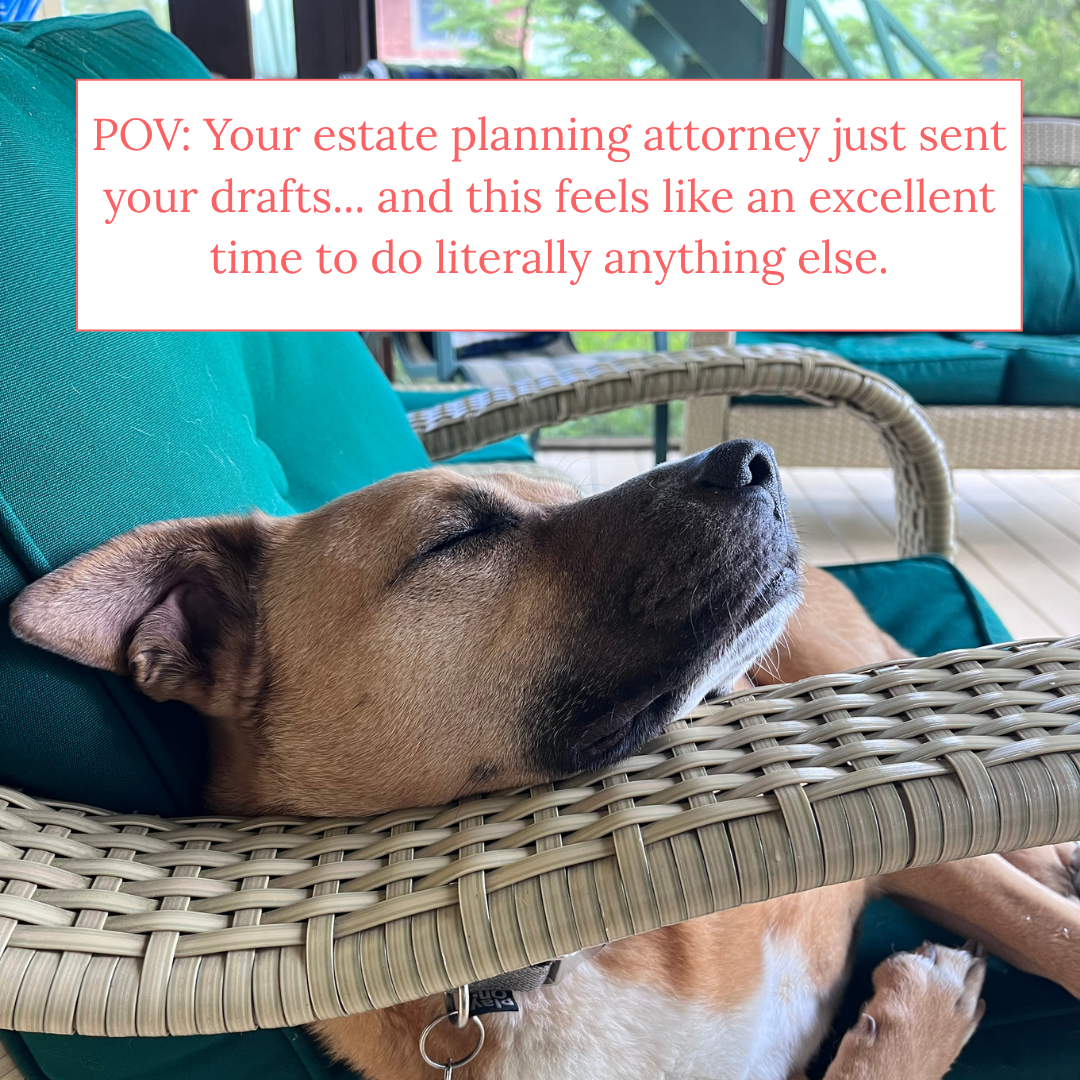
If you've ever received a draft Will, Trust, Powers of Attorney, and a summary email from your attorney, you probably know the feeling. You open the attachment, see dozens of pages of legal language, and suddenly cleaning out the junk drawer, folding laundry, or taking a nap seems like a much better use of your time. I don't blame you.
Estate planning documents aren't meant to be read like a novel. Many of the most important decisions are hidden in language that can be difficult to interpret if you don't work with these documents every day.
The Best Estate Planning Metaphor I Found Was on a Hiking Trail
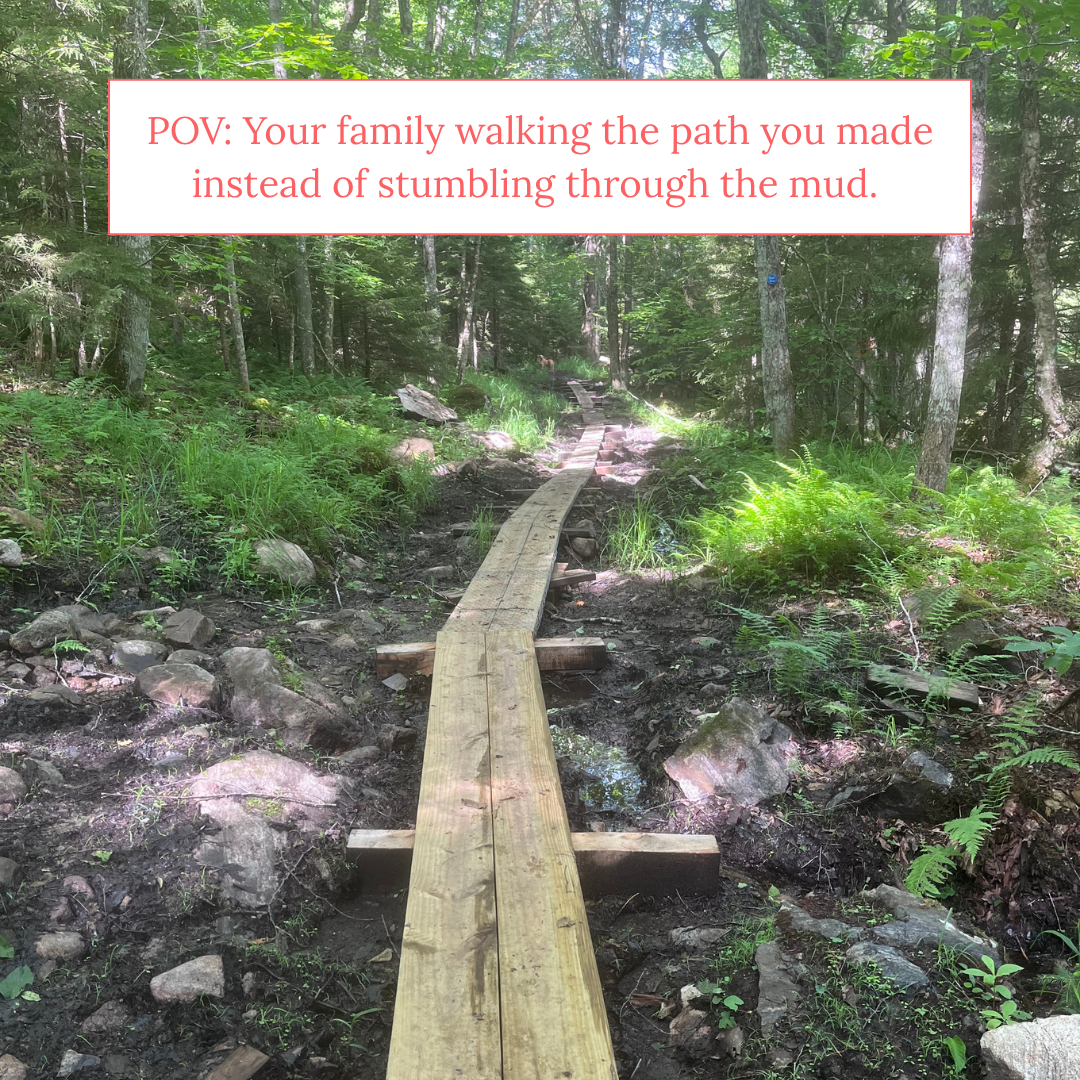
Every morning before I start my run, I cross the same section of trail. Then, about forty-five minutes later, I cross it again on my way back. It's become so familiar that I usually don't give it much thought. But one morning last week, I stopped, pulled out my phone, and took a picture. I remember thinking, There's got to be an estate planning metaphor here. And it turns out there was.
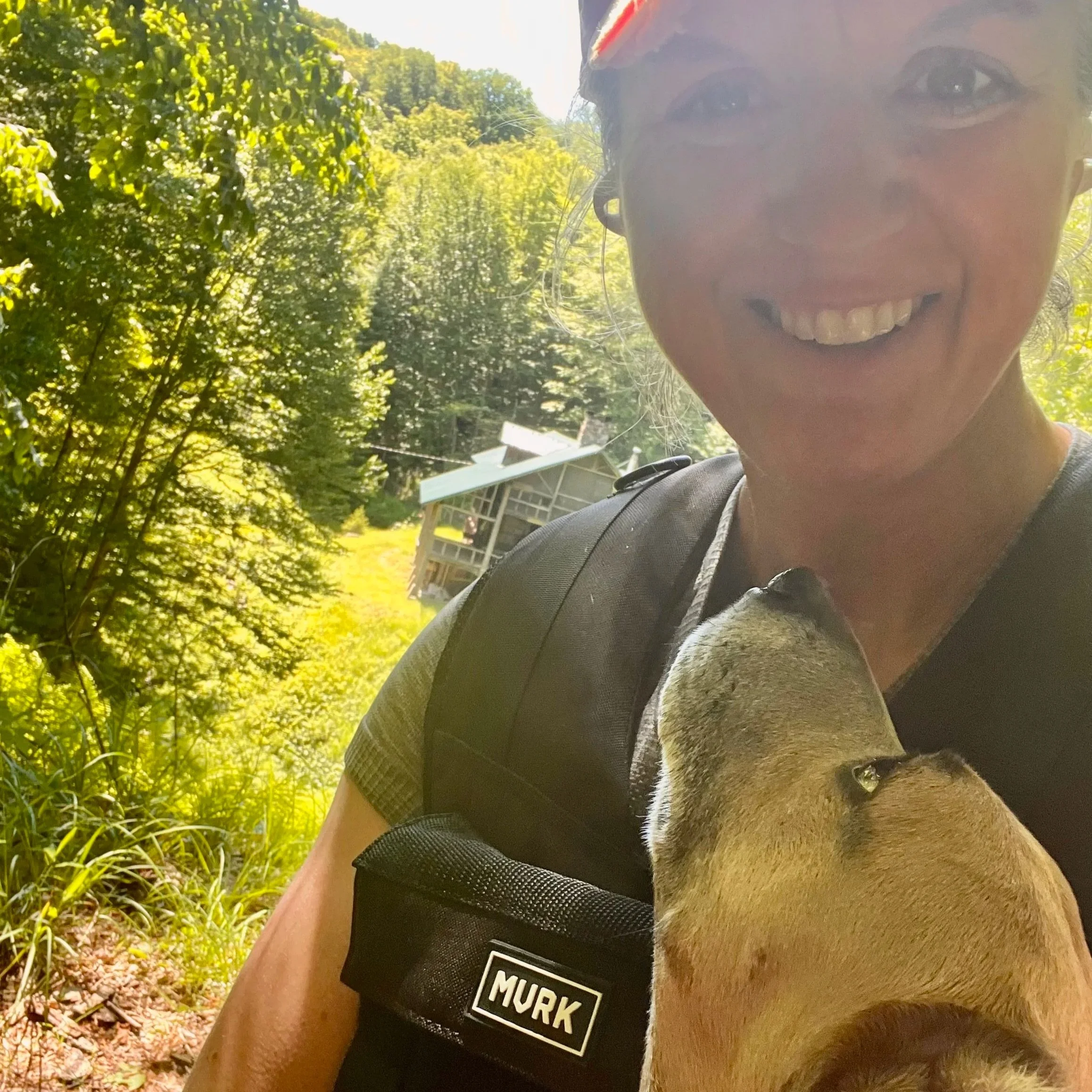
The Solution to Your Biggest Anxiety Might Be on a Trail with a Sausage Dog
The solution to your life's biggest anxieties might not be on a trail in the Adirondacks with a sausage dog. But you should probably check. The last time I was here was in December, the trails were covered in snow, and I was snowshoeing with one of our other dogs while trying to sort through a lot of uncertainty.
My Summer Office Has Safari Wallpaper
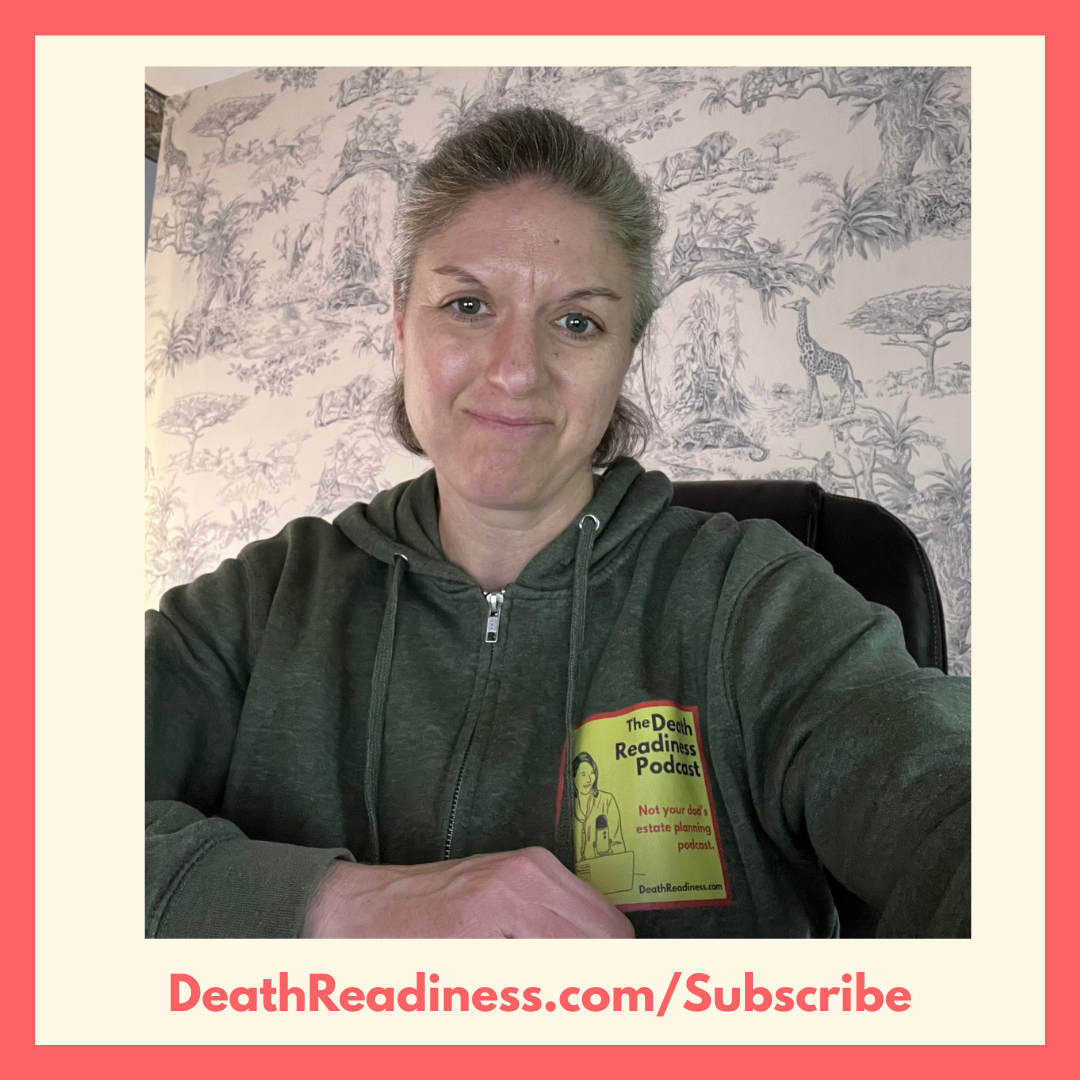
This summer, my office is in a familiar place: my childhood bedroom in the Adirondacks. If you see photos or videos from me over the next couple of months, you might notice the safari wallpaper in the background. I picked it out when I was eleven years old, and somehow it has survived all these years.
Every time I sit down at this desk, I'm reminded that rooms can hold stories. This one certainly does. My mom helped me choose this wallpaper. Fourteen years ago, this is also the room where she died. On paper, it sounds like this room should be filled with sadness. But that's not what I experience when I'm here.
Sometimes Love Looks Like a Bowl of Cold Water
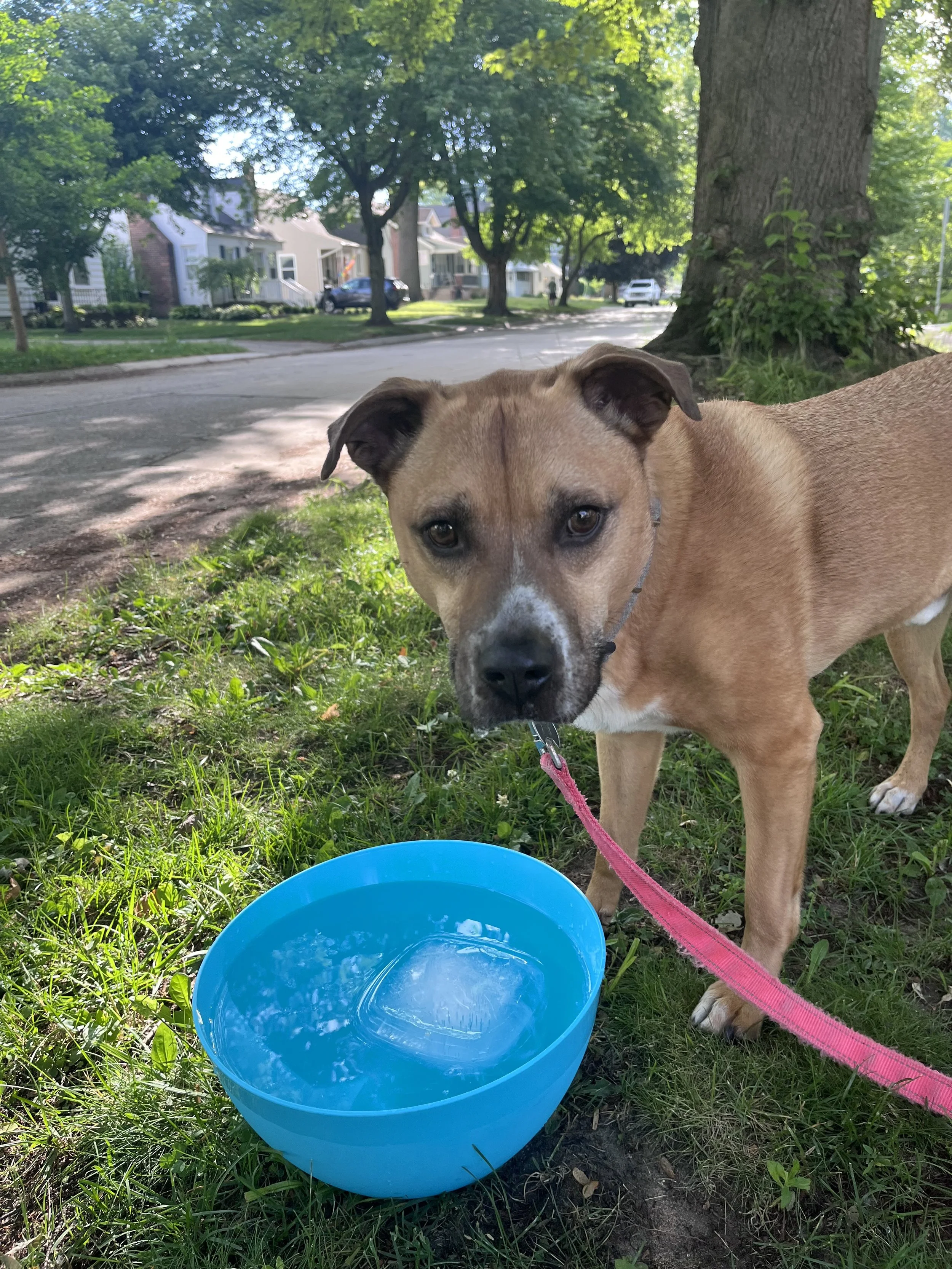
Every morning on my run, my dog makes a stop at a house in the neighborhood where a very kind woman leaves out ice water for passing dogs. Every day, she fills a heavy bowl, places it in the shade under a tree, and freezes a huge block of ice so that the water stays cold even on hot days. It takes planning, effort and valuable freezer space.
And yet, she does it anyway.
She doesn't know which dogs will come by. But every day, she does this small thing to make life a little easier for these four-legged neighbors she'll likely never know.
It got me thinking about the ways we care for the people we love.
What My Blank Diploma Taught Me About Estate Planning
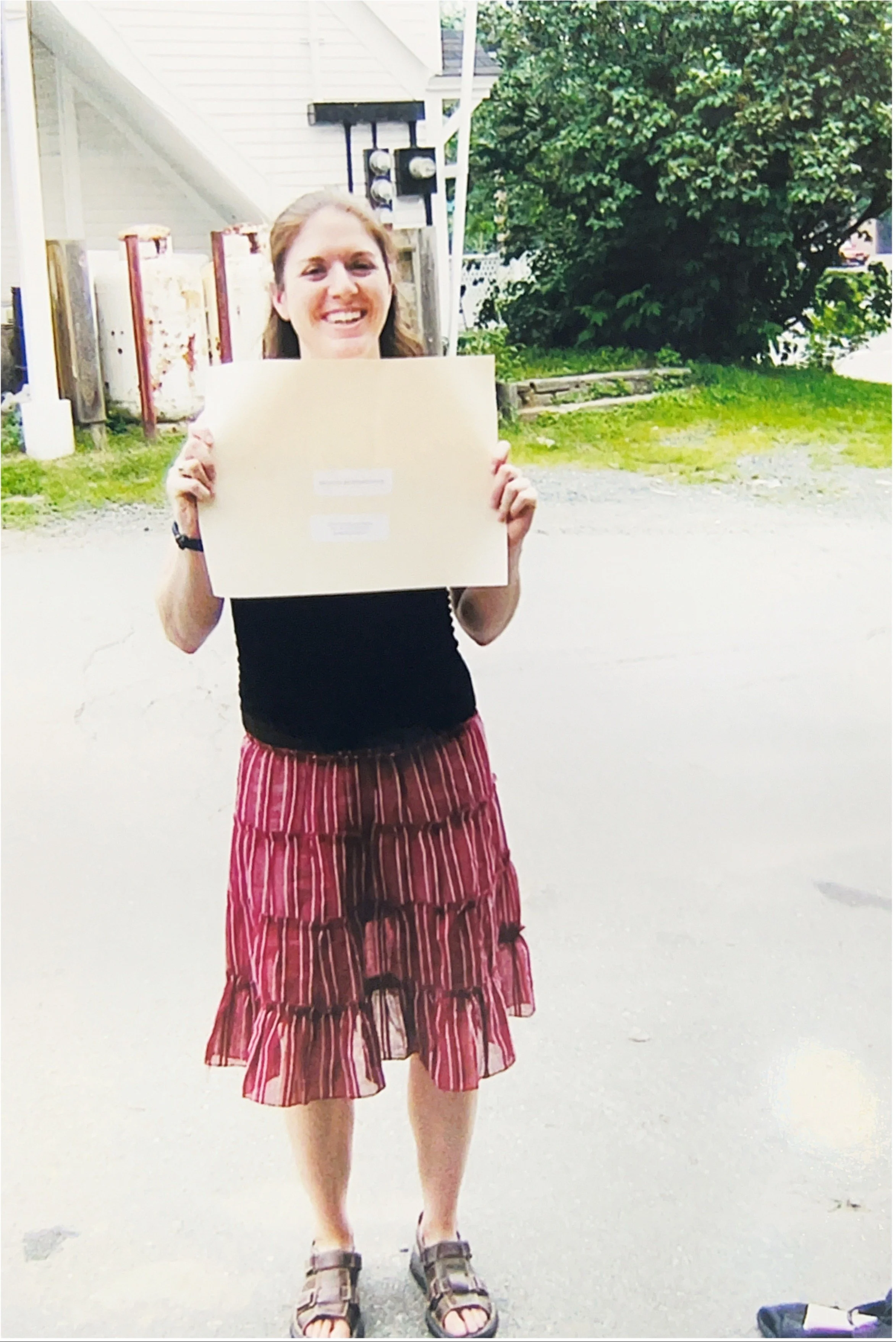
In 2005, I graduated from Dartmouth College with a degree in Russian language and literature. I worked hard and got good grades. I was the kind of student who took academics seriously.
And yet, on graduation day, I was holding a blank piece of paper.
Why?
Boots Got Adopted (And Yes, It’s Bittersweet)
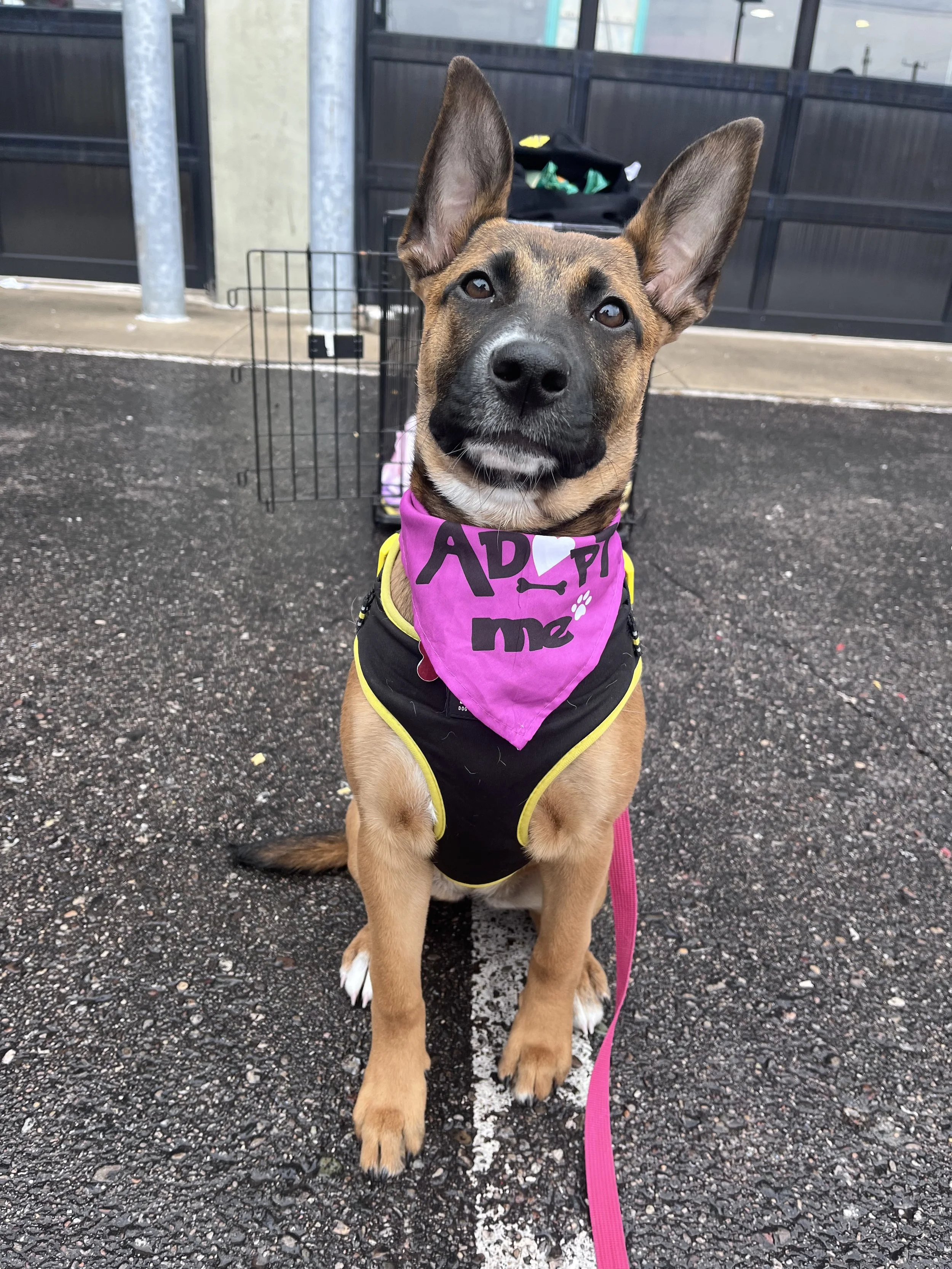
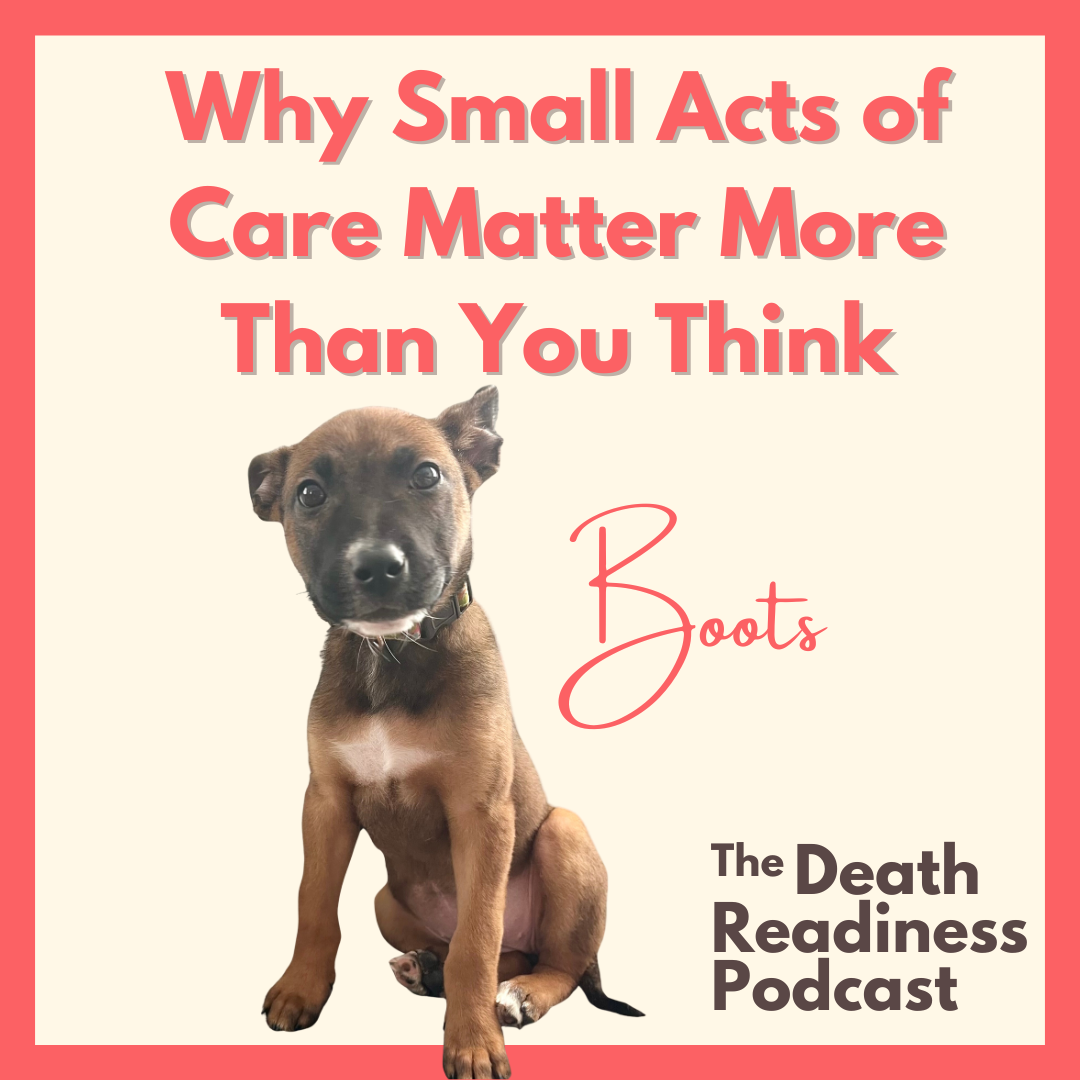
Boots got adopted. She was curious, scrappy, and somehow always exactly where she shouldn’t be. The house feels quieter without her… and little less chaotic too. But mostly, it just feels different.
I got this message from Detroit Dog Rescue today about her new home:“She is fitting in incredibly well and they are obsessed with her!”
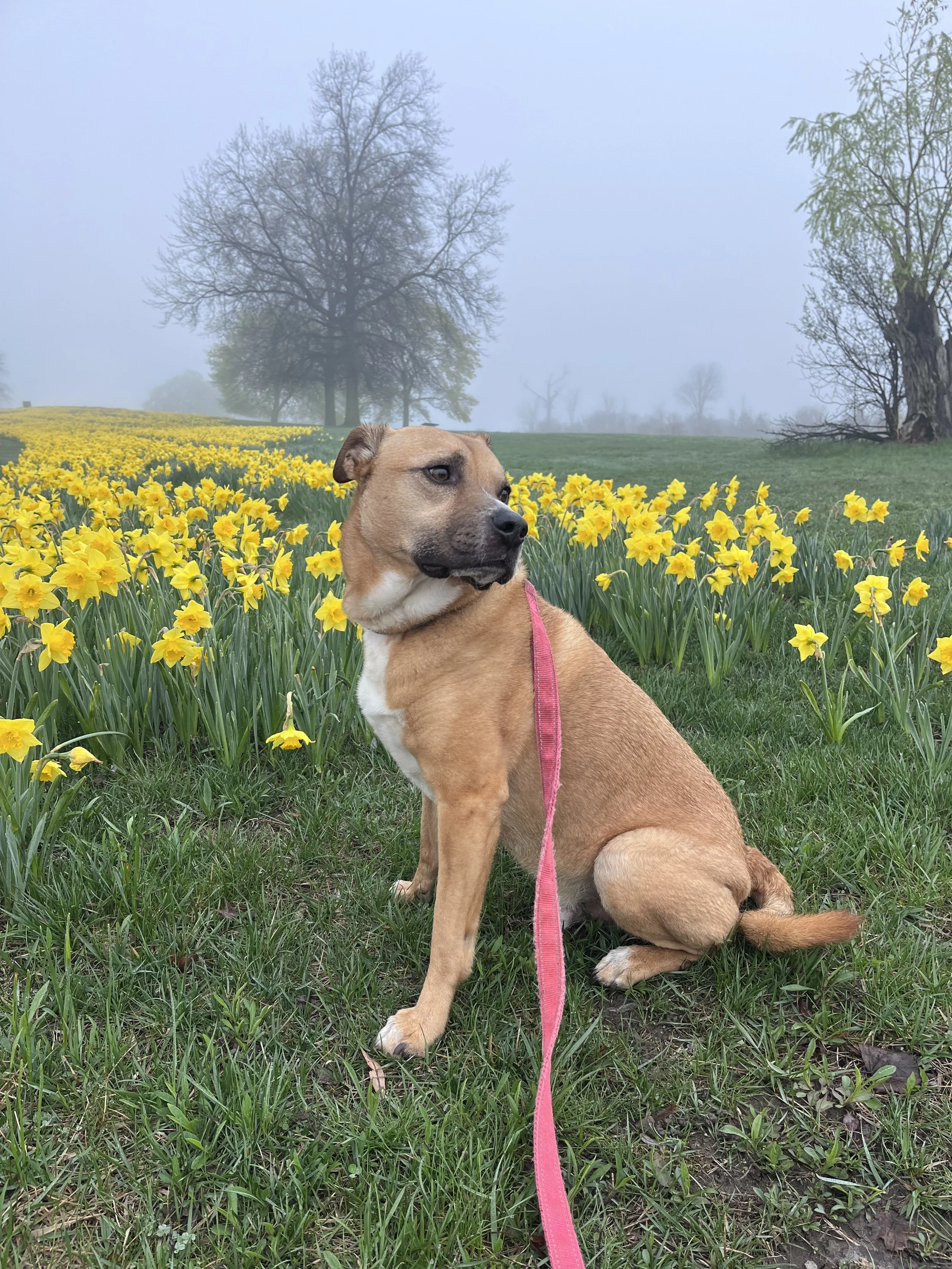
Spring has sprung at Belle Isle.
This morning it was just me, my dog, and a field of daffodils that seemed to show up overnight. We went for a run, and I kept reminding myself to take it in.
Death Readiness Doesn’t Happen in a Vacuum
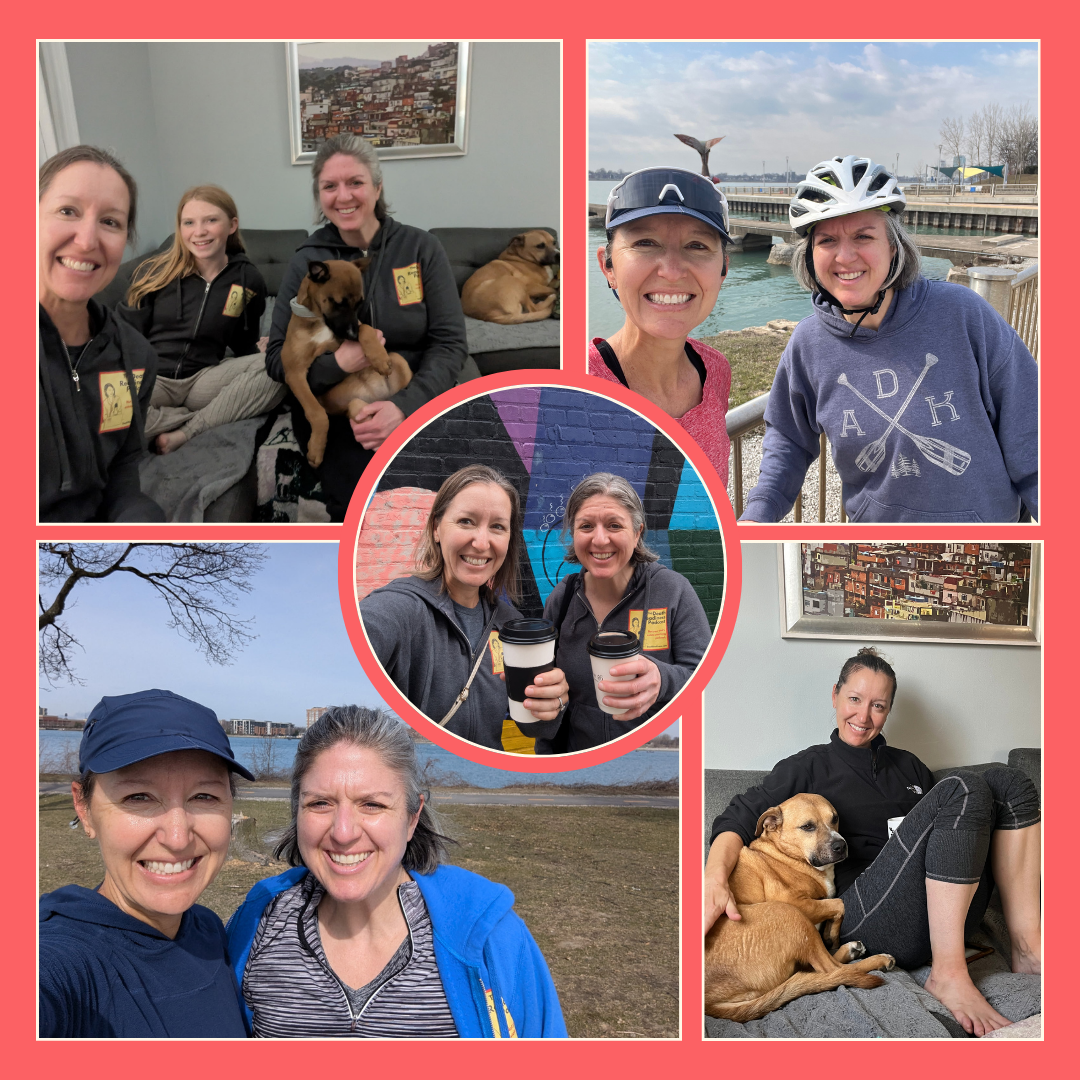
My best friend came to Michigan this week, and we did what best friends do. We ran, we biked, we wandered, and we talked about everything. And somewhere in the middle of all of that, we also got her ready for her first meeting with a financial advisor.
What a Foster Puppy Taught Me about Estate Planning and Preparing the Next Person
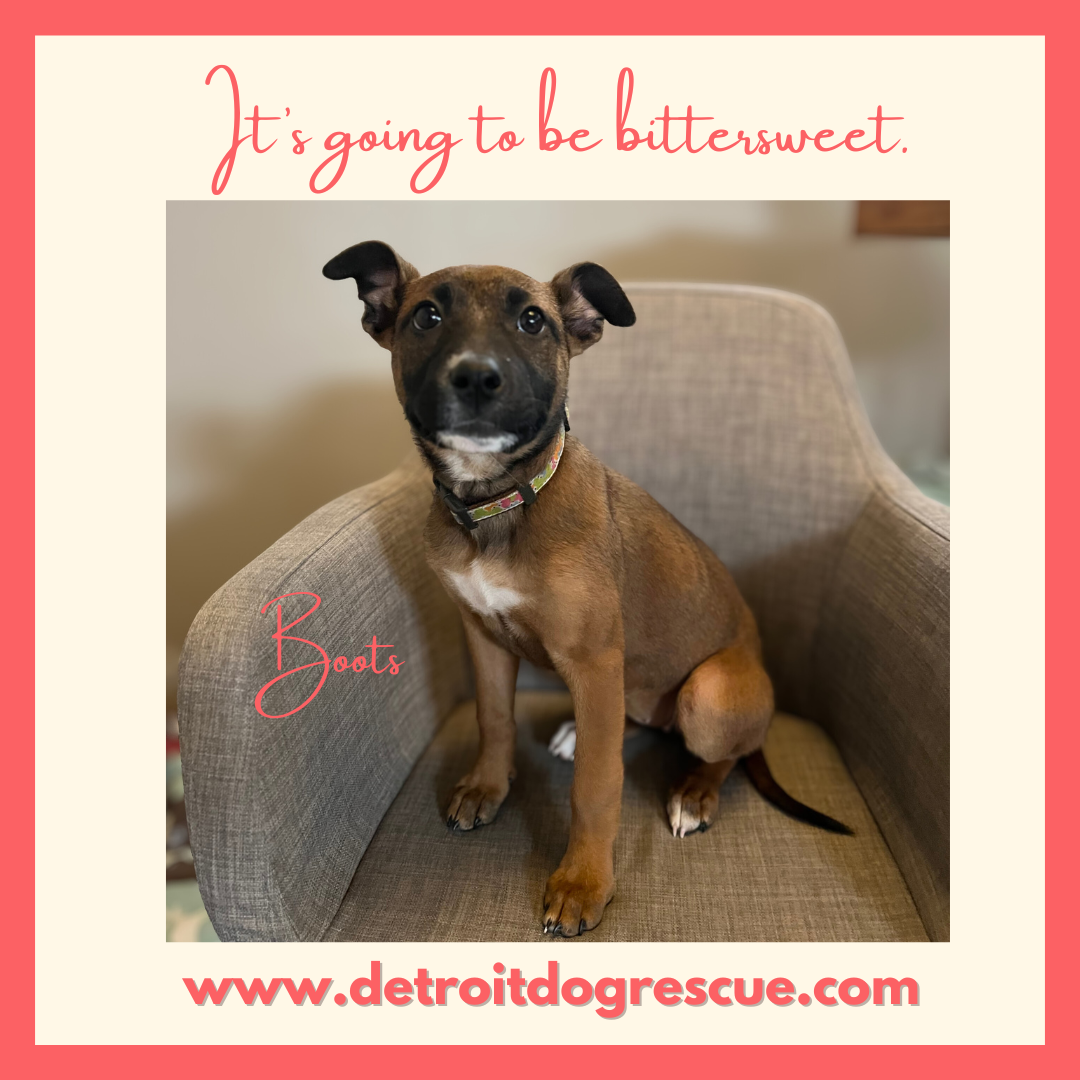
It’s going to be bittersweet, and I’m definitely going to cry. This Saturday we’re taking our foster puppy, Boots, to an adoption event. There’s a very good chance she’ll meet the person who becomes her forever home.
We’ve spent the last month caring for little Boots. In that time, we’ve learned all of her quirks, what makes her happy, which toys she loves, what scares her, and what helps her feel safe. All this time, we’ve been preparing her for a life we won’t actually get to see. That’s the strange and beautiful part of fostering. You invest time, care, and energy into helping a dog become ready for the next chapter, and then you step aside so someone else can live that chapter with them.
Why Small Acts of Care Matter More Than You Think
In this Friday episode, Jill shares the unexpected lessons she’s learning from fostering a puppy named Boots, and how chaos, inconvenience, and small acts of care reveal what agency really looks like. Through stories about raising a guide dog puppy as a child, parenting, and estate planning, this episode reframes death readiness as something much more human: choosing small, meaningful actions even when the outcome isn’t guaranteed.
How a Poet Helped Me Face What I Feared
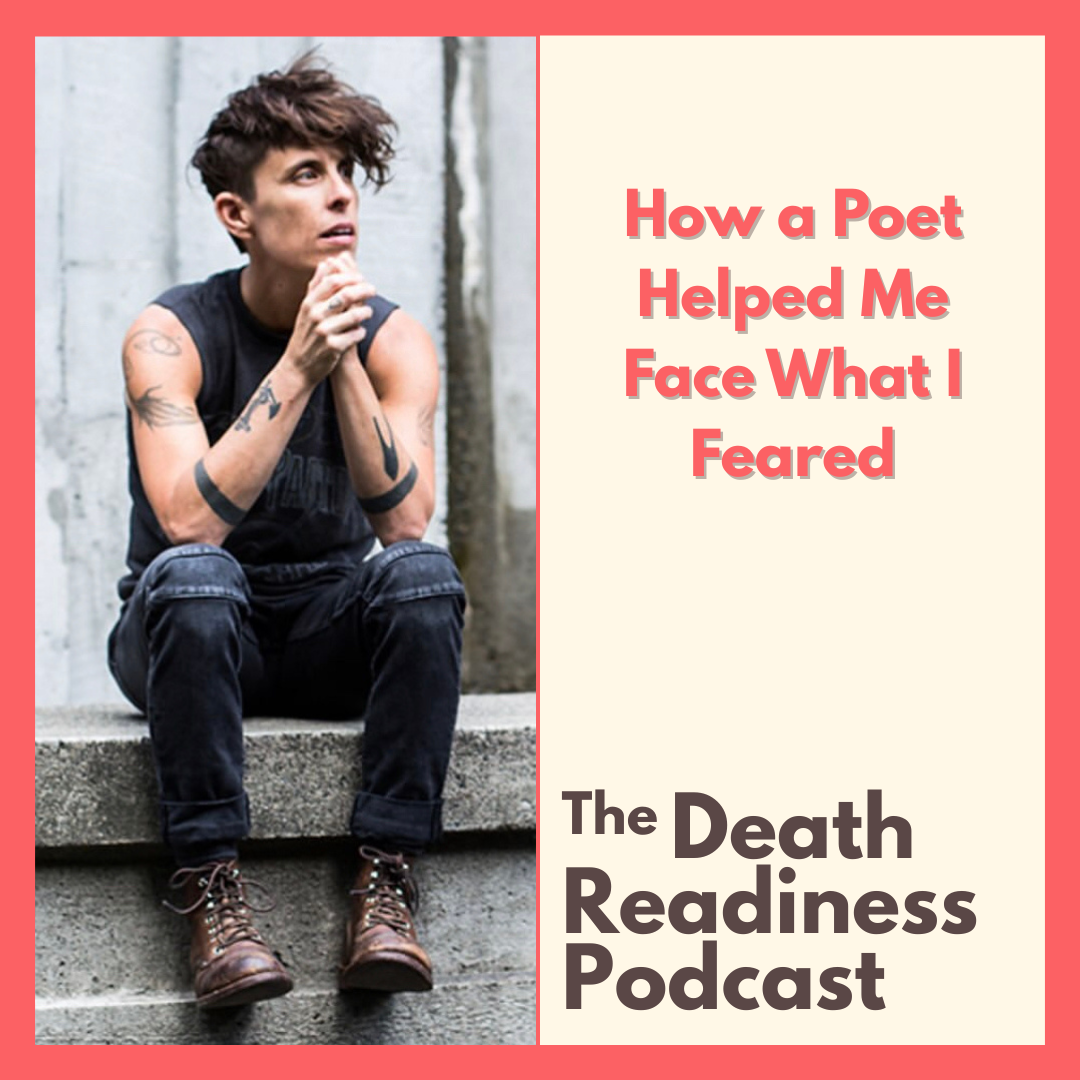
Sometimes a moment arrives at exactly the wrong time and exactly the right time. That’s what happened when I tried to watch Come See Me in the Good Light, the documentary about poet Andrea Gibson’s life and final years. I didn’t get far before I shut it off, not because it was too sad, but because it came too close to something I had been avoiding in my own life.
In 2020, I had surgery to remove thyroid cancer. I’m fine today, and I’m grateful. But being “fine” doesn’t mean you get to stop paying attention. Follow-up scans, biopsies, and check-ins are still part of the deal. But, for the past year, I’ve avoided all of it. I told myself I’d deal with it “soon.” Then months, and then a year, passed.
When Grief Hits Hard, Our Words Still Matter
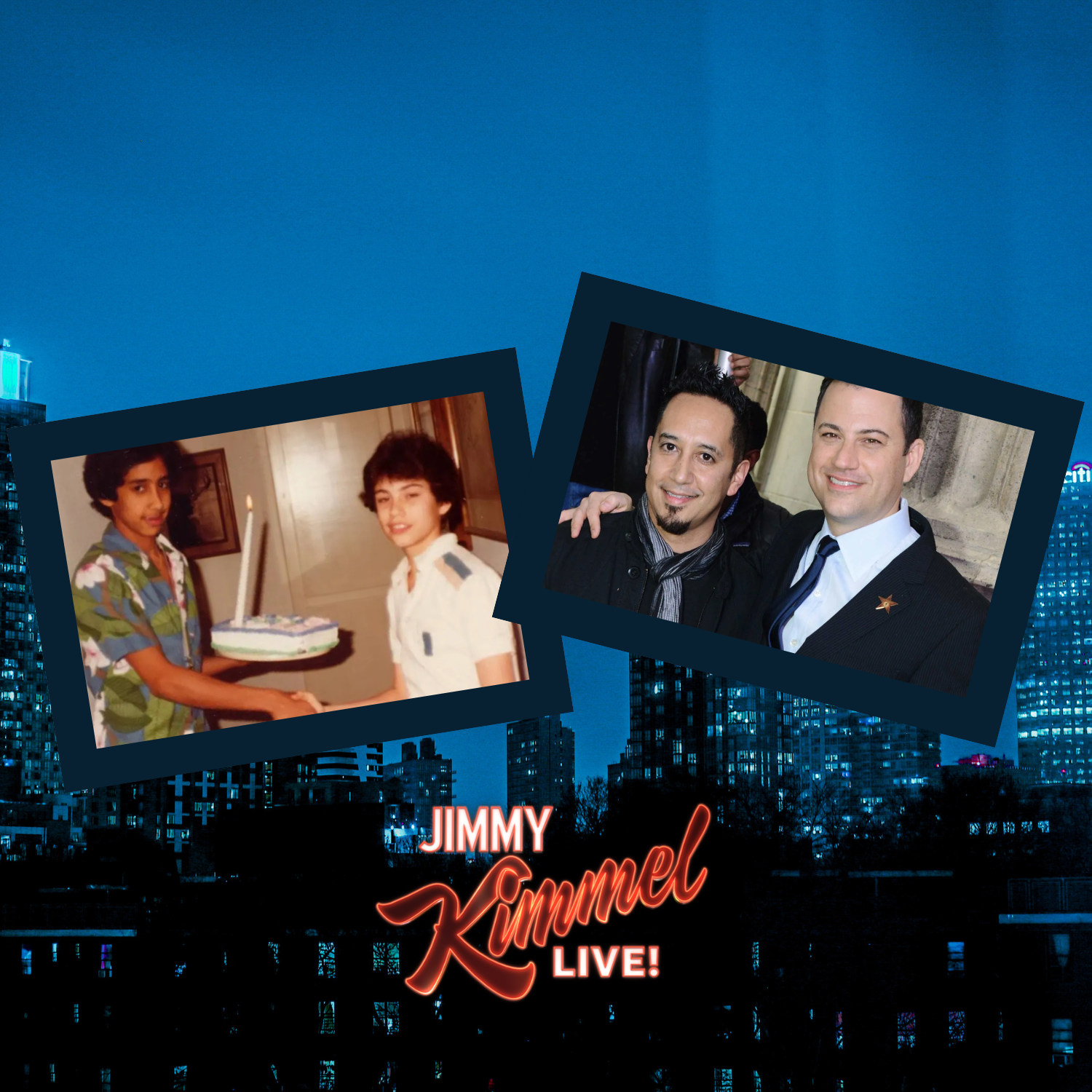
Every once in a while, a public moment catches you off guard, not because of the celebrity involved, but because of the raw honesty you hear in their voice.
That’s what happened when I watched Jimmy Kimmel’s recent monologue honoring Cleto Escobedo II, his longtime friend and bandleader. The grief in his voice was palpable. It’s the kind that only comes from losing someone who was woven into the fabric of your life for decades.
I genuinely appreciate that Kimmel brought that vulnerability to the screen. Grief is universal, and when someone with a big platform shows what love and loss really look like, it gives the rest of us permission to feel our own.
How Hosting This Podcast Taught Me to Face Grief
You Can’t Opt Out of Grief
There’s a difference between talking about grief and living it.
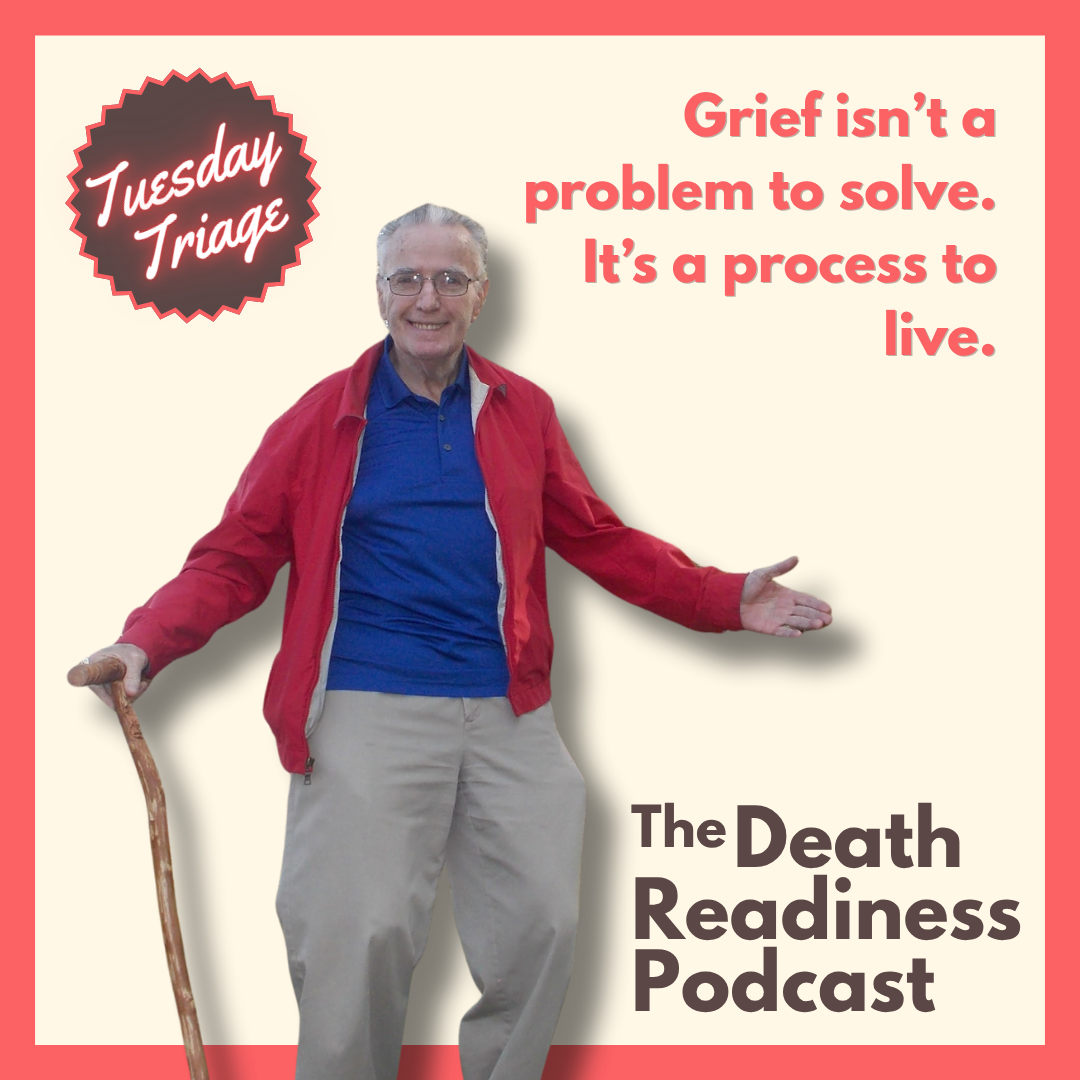
My Uncle Charlie passed away at 81 after a short illness. When I first got the call, I didn’t cry. I told my husband what had happened, said I was fine, and went to bed. But the next day, when I saw photos of him on Facebook, the tears came. It was like my brain had finally caught up to my heart.
A few months ago, funeral planner Jamie Sarche joined me on the podcast to talk about why we can’t “opt out” of grief. She told me that people often try to skip the grieving process by skipping the ceremony, doing a direct cremation, keeping busy, or convincing themselves that “getting rid of the body” will make things easier. But grief doesn’t work that way. It waits for you.
When we skip the rituals that come with saying goodbye, we skip a part of healing, too.