Not Your Average Death Blog
My Five-Year Plan Has an Unreasonable Number of Dogs
Labor Day seems like an appropriate time to articulate my five-year plan. It’s basically a law firm, a microphone, a lake house, and an unreasonable number of dogs. So far, we’re right on schedule.
A few years ago, I’m not sure I would have predicted that my work life would look like this. I’m building my own law practice. I talk about death into a microphone every week. I spend my summers working from my dad’s house in the Adirondacks. And, with surprising frequency, I have to stop and count the dogs in my house to remember exactly how many currently live here. This was not the career plan I mapped out when I went to law school.

What Is Estate Planning?
What Is Estate Planning?
Excellent question, tiny puppy. “Estate planning” sounds like something that should involve mansions and complicated trusts. It doesn’t. Estate planning is deciding what you want to happen if you can’t make decisions for yourself, and what you want to happen to your stuff after you die.
And you probably have more “stuff” than you think. Your house, bank accounts, retirement accounts, car, life insurance, furniture and jewelry. Your “stuff” includes things with financial value and the things that probably aren’t worth much to anyone except the people who love you. But estate planning isn’t just about your stuff after you’re gone. It’s also about you while you’re alive.
Why Your Responsible Child Might Be the Wrong Trustee
What actually happens after a professional trustee takes over a trust and a beneficiary asks for money?
In this episode, Jill sits down with longtime friend and trust advisor Alex Fisher for a behind-the-scenes look at how professional trustees actually do the job. They walk through how distribution requests are evaluated, what happens when the answer is no, and why naming the “responsible child” as trustee may come with costs parents don't always consider.
They also discuss what professional trustees look for before agreeing to serve, why flexibility matters when drafting a long-term trust, and how an estate plan can adapt when the family, the assets, or the world looks very different decades from now.
The “Responsible Child” Isn’t Always the Right Trustee
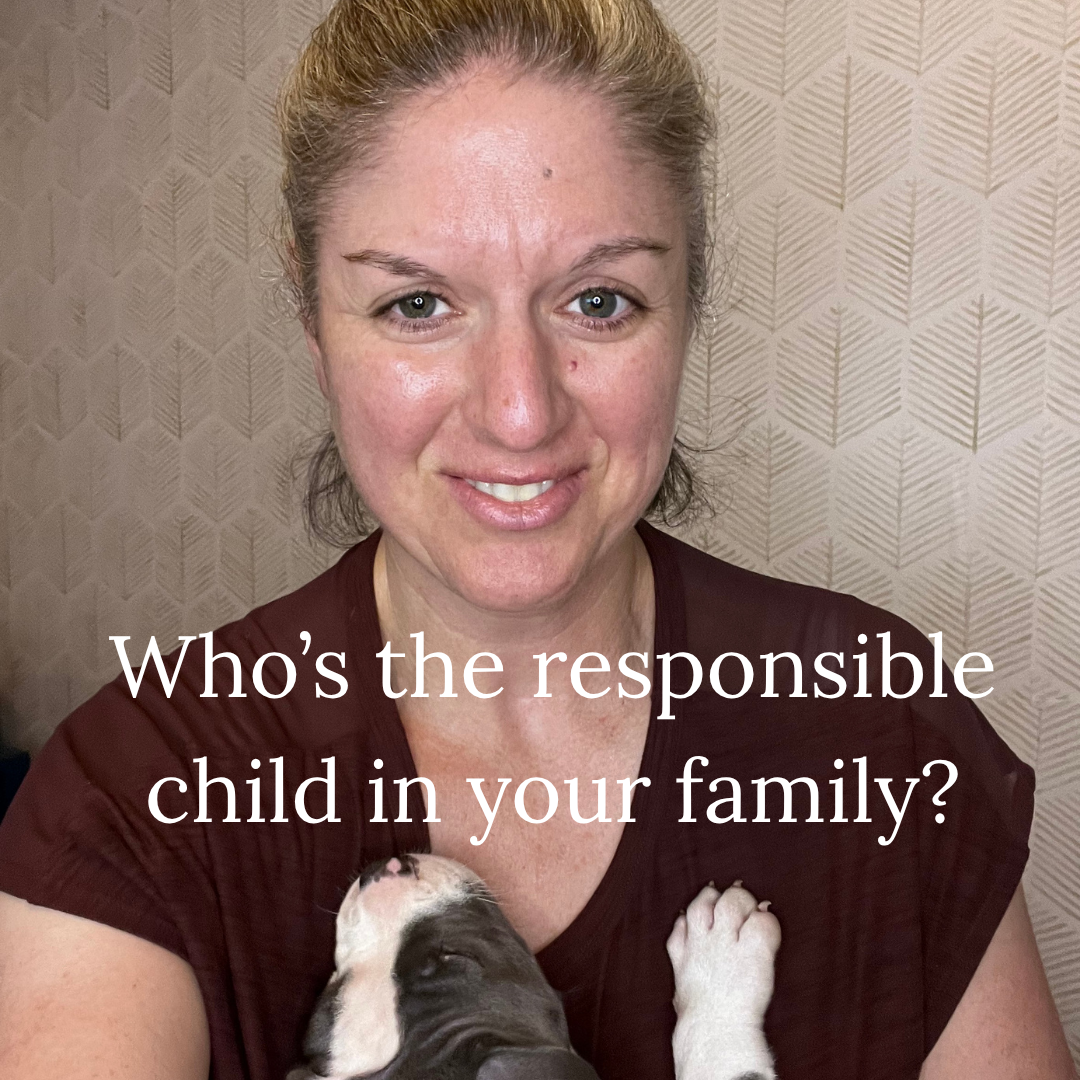
When parents are choosing a trustee, there’s often one child who seems like the obvious choice. That’s the organized one, the financially responsible one, and the one who gets things done. But being capable of serving as trustee and being the right person to serve as trustee are two different things.
Estate Planning Is Really About the People You Love
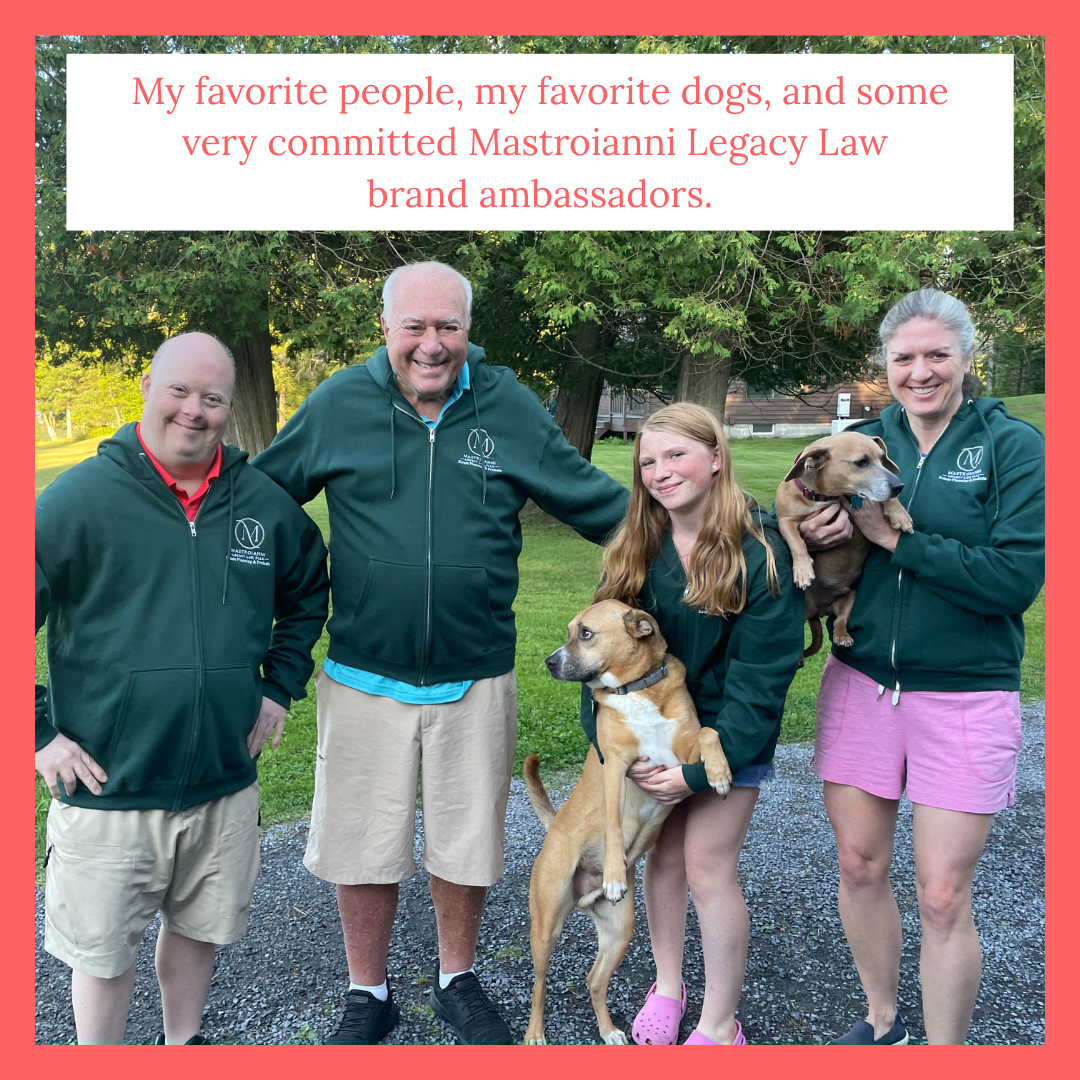
This is what happens when you start your own law firm and your family is willing to humor you: matching sweatshirts. The photo includes my dad, my brother, my daughter, two of my dogs, and a whole lot of Mastroianni Legacy Law representation. I love the picture because these are some of my favorite people (and favorite dogs), but there’s another reason it means something to me. This is my “why.”
Estate planning involves Wills, trusts, powers of attorney, beneficiary designations, probate, and plenty of legal documents. But estate planning is really about people. It’s about the people we love and worry about, the people we want to make things easier for, and the people who may someday have to figure things out when we’re no longer there to help. That’s true when I’m working with clients, and it’s true in my own family.
Why Your Pour-Over Will Won’t Avoid Probate
You created a revocable trust to avoid probate. So why did your attorney also give you a Will?
That Will is a pour-over Will, designed to catch assets that are still in your individual name when you die and direct them into your trust. But there’s an important catch: those assets have to go through probate first.
In this episode, Jill explains how pour-over Wills actually work, why creating a trust and funding a trust are two very different things, and how the way you own each individual asset determines whether it will avoid probate.
The takeaway? If avoiding probate is your goal, don’t just ask, “Do I have a trust?” Ask, “What happens to each of my assets when I die?”
Why Turning 18 Changes Everything in a Medical Crisis
Your child turns 18, but practically, not much may change. They may still live at home, be on your health insurance, and call you first when something goes wrong. Legally, though, they’re an adult—and that can make a big difference in a medical crisis.
In this episode, Jill explains three healthcare documents every parent should understand before their child turns 18: a HIPAA authorization, a healthcare power of attorney, and a healthcare advance directive. Each answers a different question about information, authority, and wishes, and each gives your adult child an opportunity to decide whom they trust to step in when they need help.
Why Reading the Will Looks Nothing Like in the Movies
You’ve seen the scene in movies: the family gathers in a lawyer’s office, the Will is dramatically read aloud, and everyone discovers who inherited what. Real life looks very different.
In this episode, Jill Mastroianni explains what actually happens to a Will after someone dies, who receives a copy, why being an heir-at-law isn’t the same as being a beneficiary, and what it really means when a Will becomes “public record.” She also explains why reading someone’s Will may give you only part of the story of what happens to their assets after death.
Why You Shouldn't Add Your Child to Your Deed or Bank Account
Should you add your child to your deed or bank account?
It sounds like a simple way to avoid probate or make things easier if you need help later in life. But that estate planning shortcut can create risks you never intended, from exposing your home to your child's creditors to accidentally changing how your estate is distributed.
In this episode, estate planning attorney Jill Mastroianni explains why the first question should never be, "What's the solution?" Instead, it should be, "What problem are you actually trying to solve?" Once you know the problem, you can choose the right estate planning tool.
What a Dachshund Can Teach Us About Estate Planning
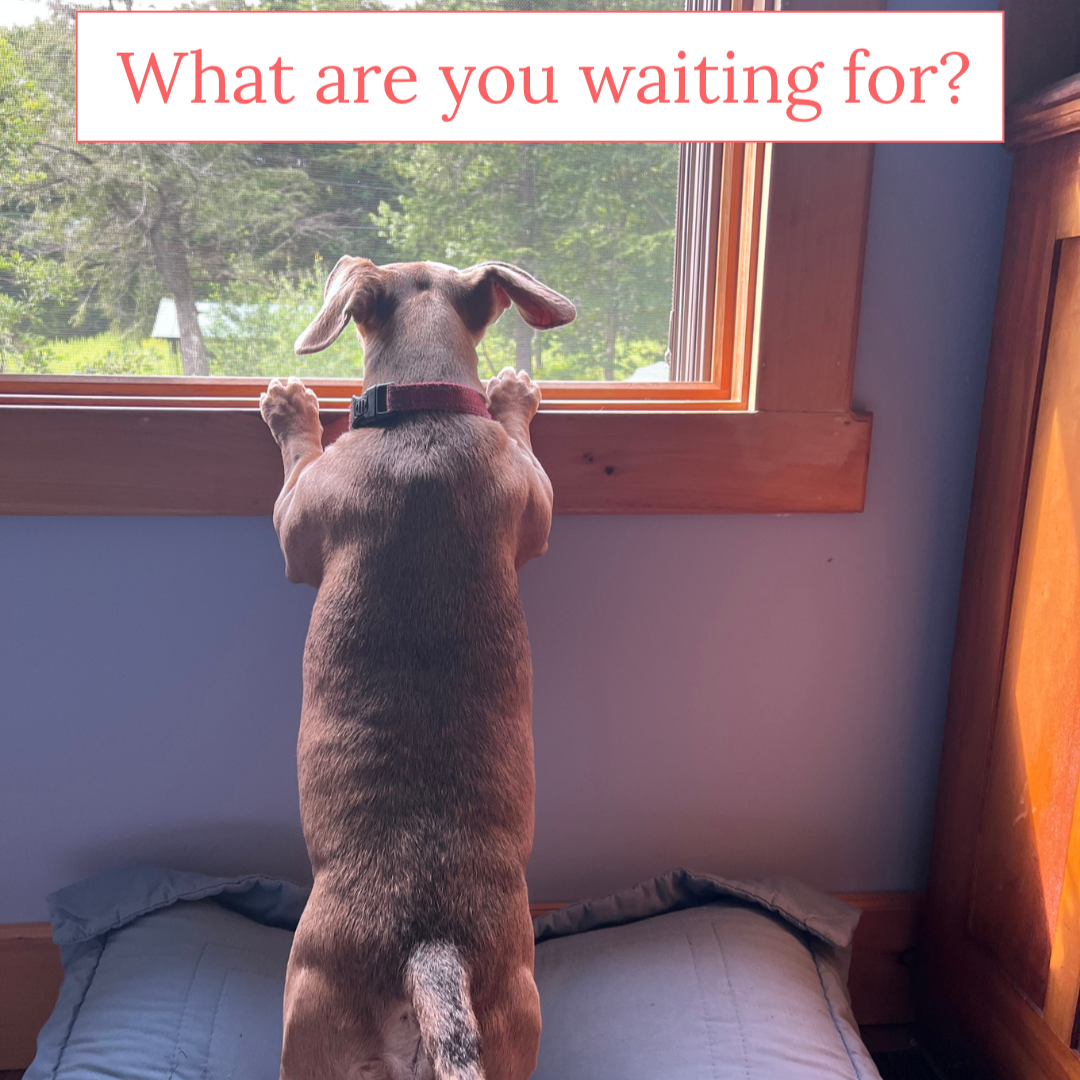
My daughter's dachshund mix has convinced himself that if he watches the window long enough, something exciting will happen. He stands on his hind legs, patiently scanning the yard, certain that this is the moment someone will arrive. It makes me smile every time.
It also reminds me of how many of us approach estate planning. We know we should do it, we intend to do it, and yet we just keep waiting for...something. Maybe we’re waiting for retirement, for the kids to be older, for when work slows down, or until after the holidays. The sad irony is that the event that finally motivates many people to create an estate plan is often the very thing that makes estate planning more difficult.
Why Your Original Will Matters More Than You Think
Have you ever wondered whether a photocopy of your Will is enough?
In this episode of The Death Readiness Podcast, estate planning attorney Jill Mastroianni explains why the answer is often no. You'll learn what happens when an original Will can't be found, why courts may presume it was intentionally destroyed, and how that one missing document can completely change who inherits an estate. Along the way, Jill shares two real court cases, including a Tennessee probate dispute that became a true crime story, and explains the practical steps you can take to protect your own estate plan.
Estate Planning Doesn't Require a Giant Leap
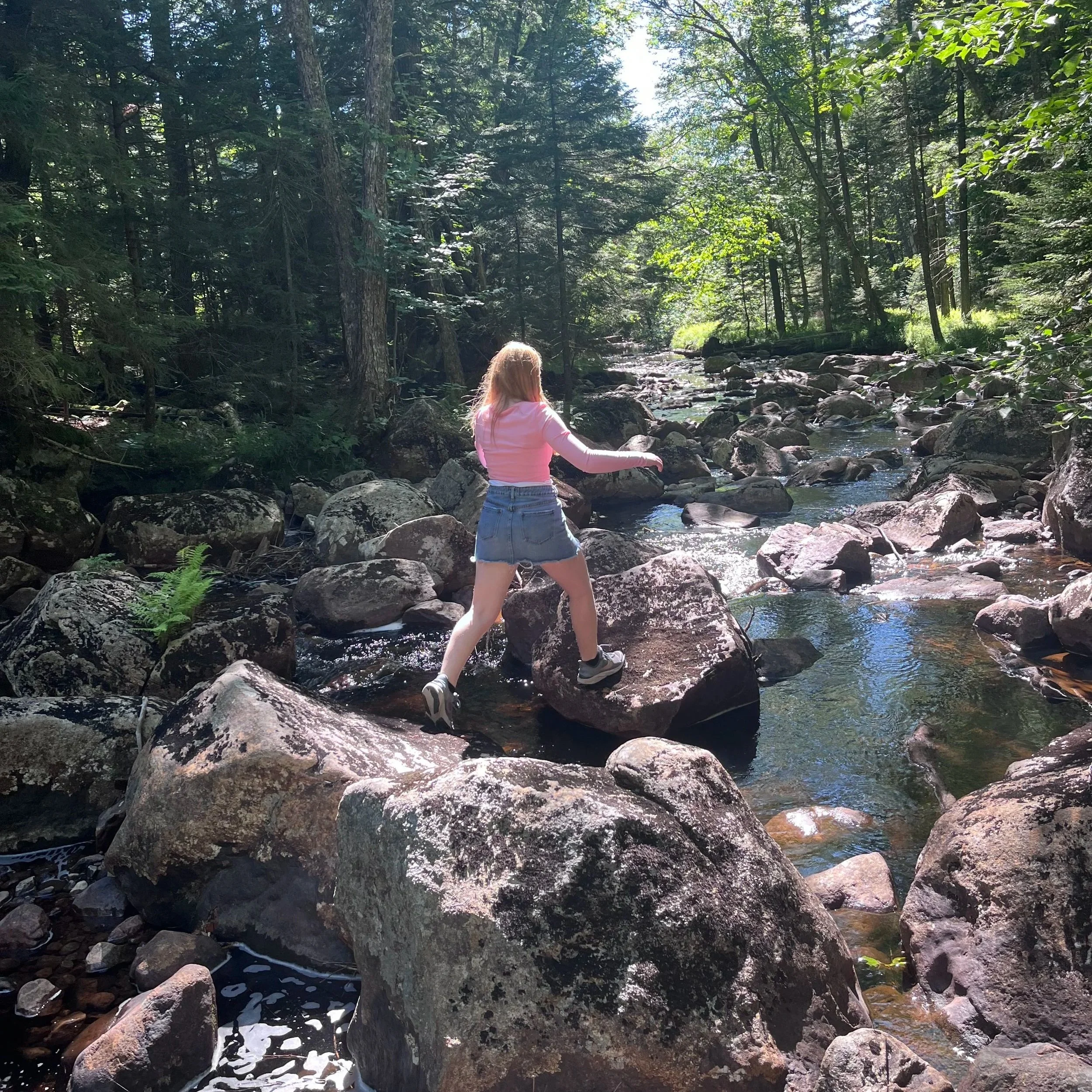
A few days ago, I was watching my daughter make her way across a creek by stepping from one rock to the next. And what struck me was how she was doing it. She wasn't looking ten rocks ahead or trying to map out the entire crossing before taking the first step. She was simply looking for secure footing for the next one.
I realized that's exactly where so many people get stuck with estate planning. They imagine they'll have to make every decision at once. They'll need to understand trusts, taxes, beneficiary designations, powers of attorney, guardians for their children, business succession, family dynamics, and every “what if” scenario before they can even begin. No wonder so many people put it off.
How to Overcome Estate Planning Jargon and Overwhelm
The biggest obstacle to estate planning isn't procrastination. It's confusion and overwhelm. In this episode, Jill shares why she changed the way she practices law, the surprising lesson a surgeon taught her about communication, and why helping clients understand their estate plan is just as important as drafting excellent legal documents. Through stories about a graphic designer, AI, a 90-year-old client, and even her own financial planner, Jill explores how great professionals not only know their subject, they know how to explain it.
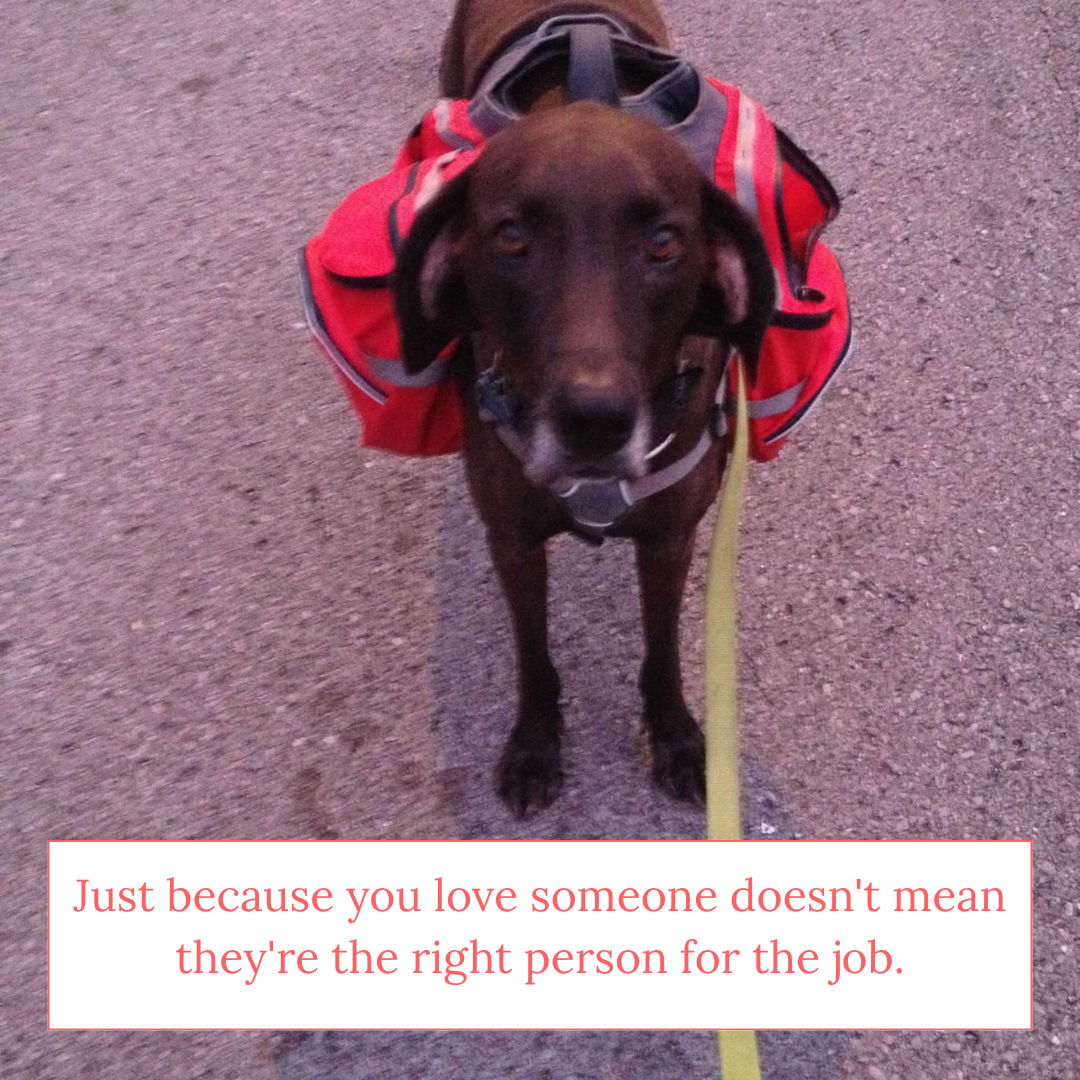
Just Because You Love Someone Doesn't Mean They're the Right Person for the Job
When I was first practicing law in Nashville, I lived about eight miles from my office. Every Friday, I ran to work with my dog, Oliver. One week, I had what I thought was a brilliant idea. Instead of carrying my work clothes in my backpack, I'd buy Oliver his own backpack so he could carry them.
I buckled it on and Oliver refused to move. He didn't take a single step. He just stood in the driveway looking at me as if to say, Absolutely not. So, I unpacked his backpack, stuffed everything into mine, and we headed to work the way we always had.
Looking back, I realize I made a mistake. I never stopped to ask whether the backpack was something Oliver could realistically carry. I simply decided it was his job.
Why I Don't Just Email Your Estate Planning Documents and Wish You Good Luck
If you've ever received a draft Will, Trust, Powers of Attorney, and a summary email from your attorney, you probably know the feeling. You open the attachment, see dozens of pages of legal language, and suddenly cleaning out the junk drawer, folding laundry, or taking a nap seems like a much better use of your time. I don't blame you.
Estate planning documents aren't meant to be read like a novel. Many of the most important decisions are hidden in language that can be difficult to interpret if you don't work with these documents every day.
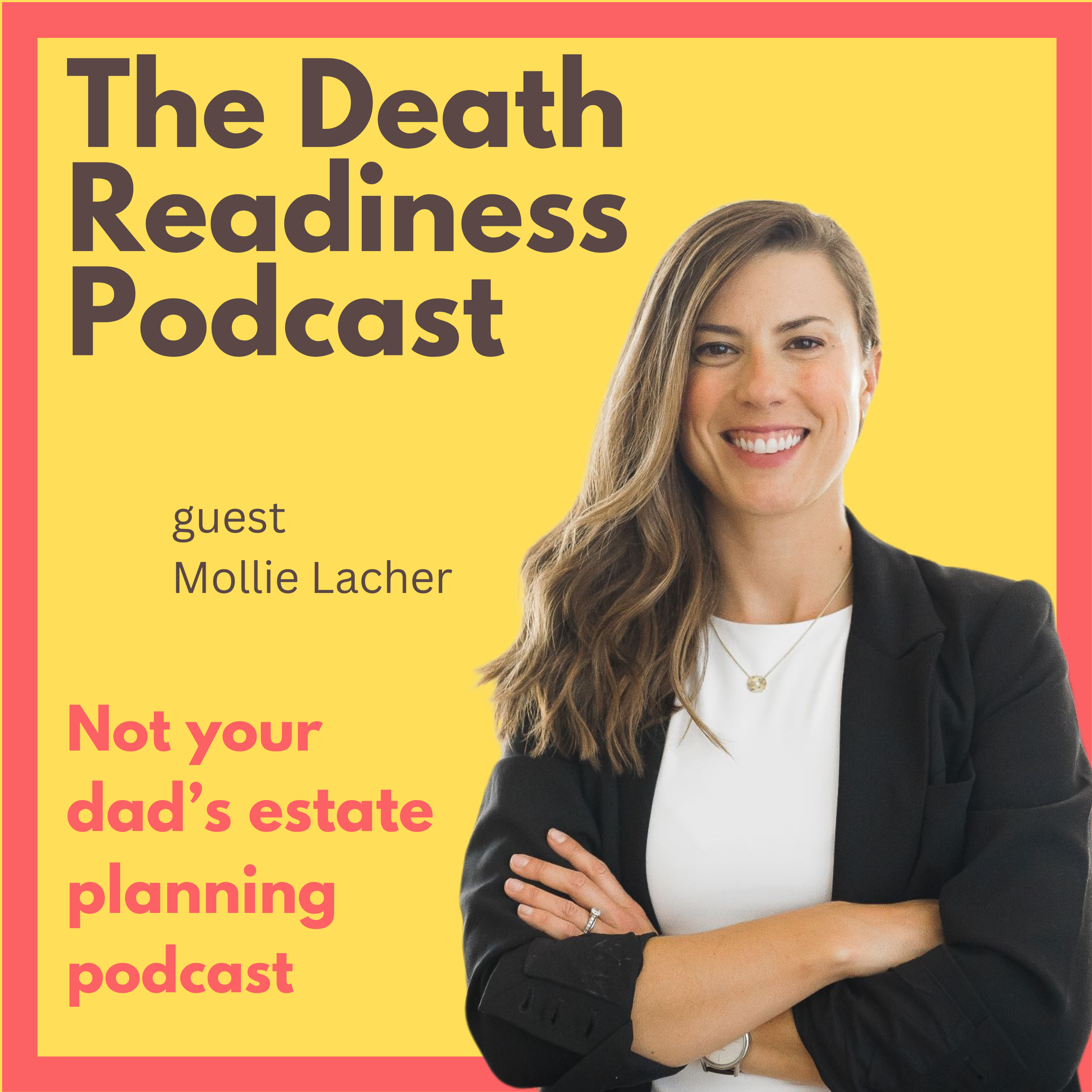
How to Avoid Costly Mistakes After a Death
Losing someone you love is hard enough. Figuring out what to do next can feel overwhelming.
In this episode, estate planning attorney Jill Mastroianni sits down with estate administration expert Mollie Lacher to discuss the practical realities of settling someone's affairs after death. From securing a vacant home and locating hidden assets to navigating customer service, digital accounts, and the responsibilities of serving as executor during probate, this conversation offers practical guidance for anyone facing the loss of a loved one or preparing to ease the administrative burden for their own family.
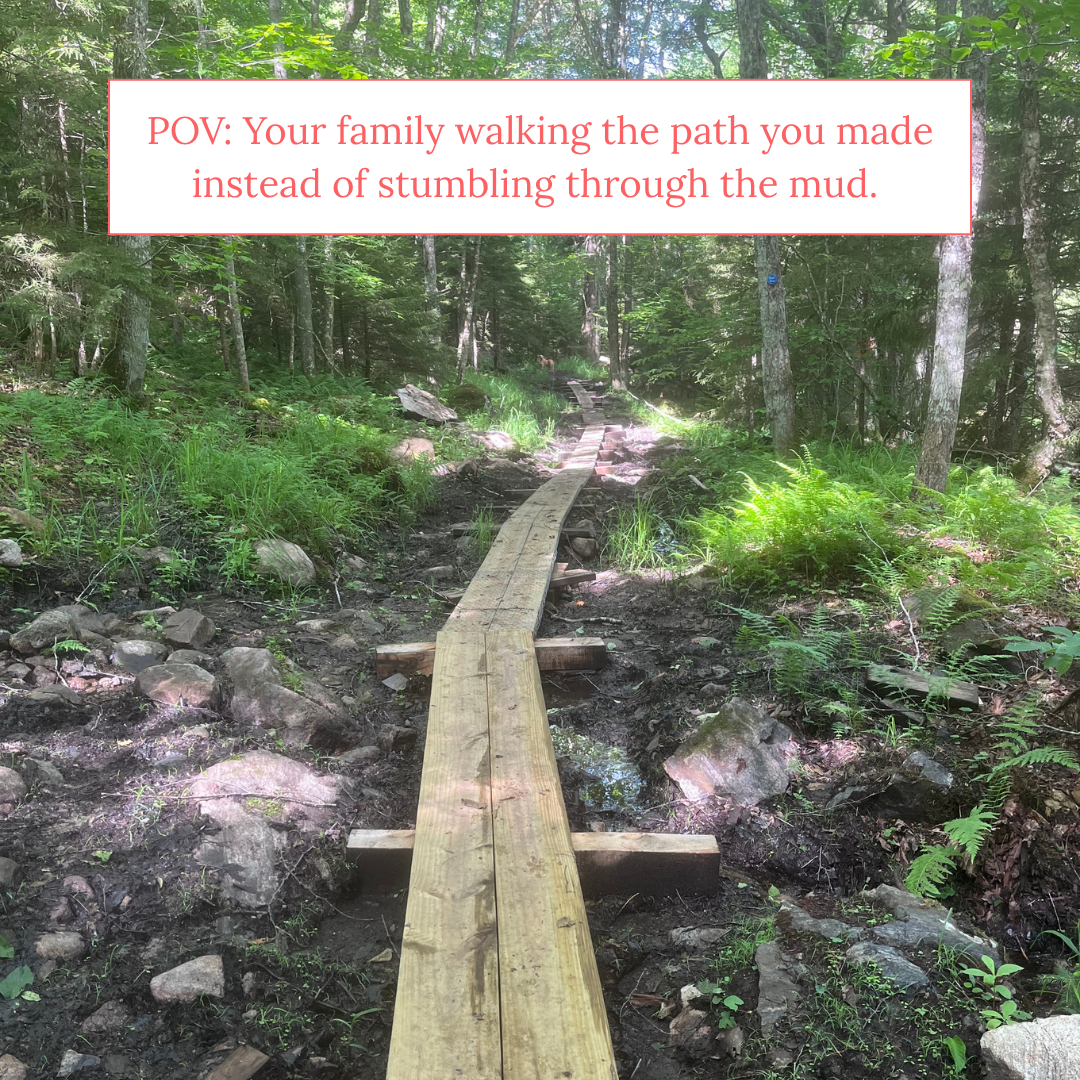
The Best Estate Planning Metaphor I Found Was on a Hiking Trail
Every morning before I start my run, I cross the same section of trail. Then, about forty-five minutes later, I cross it again on my way back. It's become so familiar that I usually don't give it much thought. But one morning last week, I stopped, pulled out my phone, and took a picture. I remember thinking, There's got to be an estate planning metaphor here. And it turns out there was.
Why I Won't Leave My Kids Cash
If your children inherited a million dollars tomorrow, would you want them to receive a check—or a trusted guide?
In this episode, Jill pulls back the curtain on her own family's estate plan and walks you through exactly what would happen if she and Jeremy died while their children were still young. Using their own Wills, life insurance beneficiary designations, and testamentary trusts as real-life examples, she translates complicated legal language into plain English so you can understand how trusts actually work—and why they aren't just for wealthy families.
The Solution to Your Biggest Anxiety Might Be on a Trail with a Sausage Dog
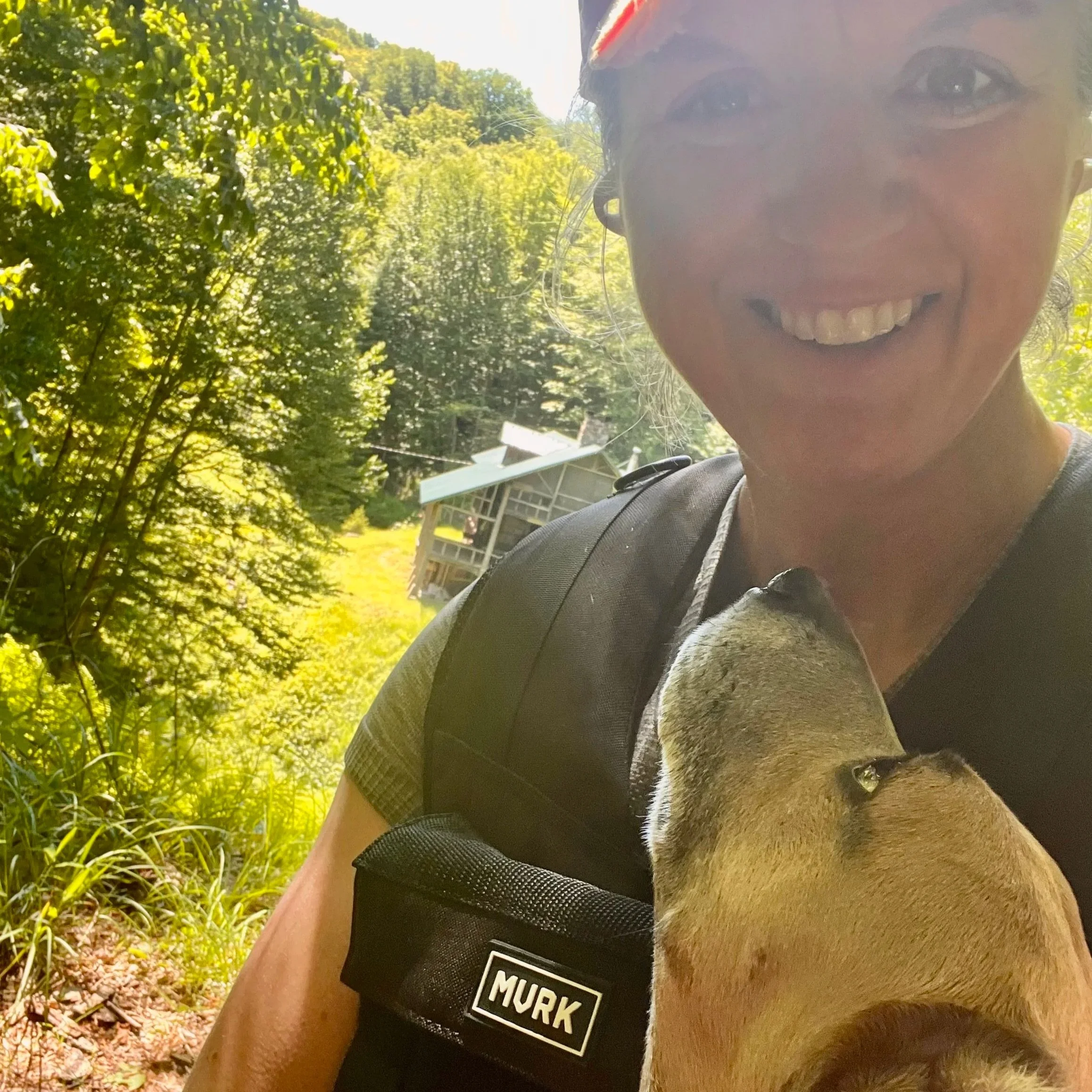
The solution to your life's biggest anxieties might not be on a trail in the Adirondacks with a sausage dog. But you should probably check. The last time I was here was in December, the trails were covered in snow, and I was snowshoeing with one of our other dogs while trying to sort through a lot of uncertainty.
What You Need to Know Before Editing Your Will
What happens if you simply cross out part of your Will, write “VOID” above it, and initial the change?
The answer is more complicated, and riskier, than most people realize.
In this episode, estate planning attorney Jill Mastroianni explains why making handwritten changes to your estate planning documents can create confusion, trigger litigation, and ultimately change how your assets are distributed. Through two real Tennessee court cases, you'll learn why “just one little edit” can have consequences that last for years and why creating a fresh document is always the better solution.